
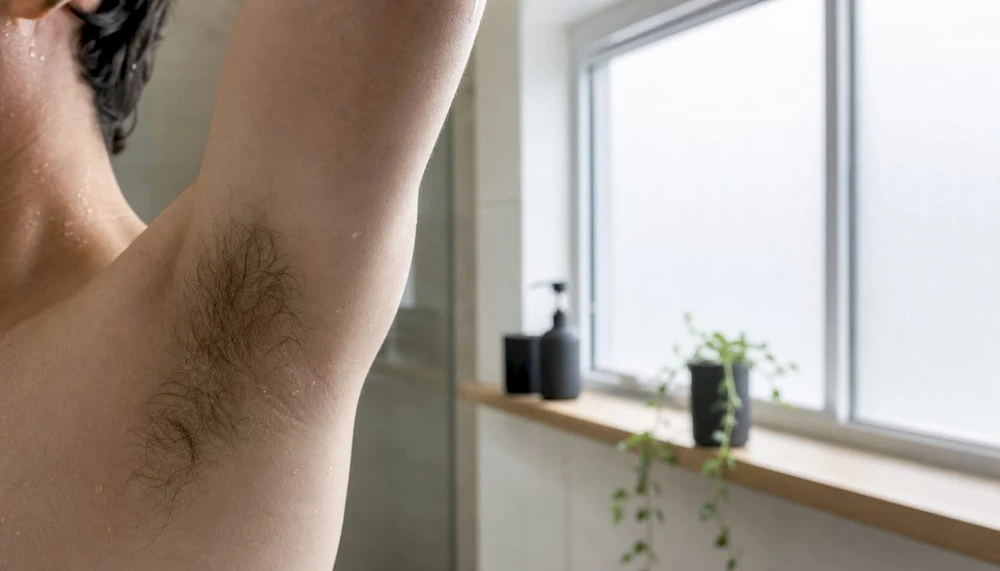
Does Armpit Hair Really Cause Body Odor?
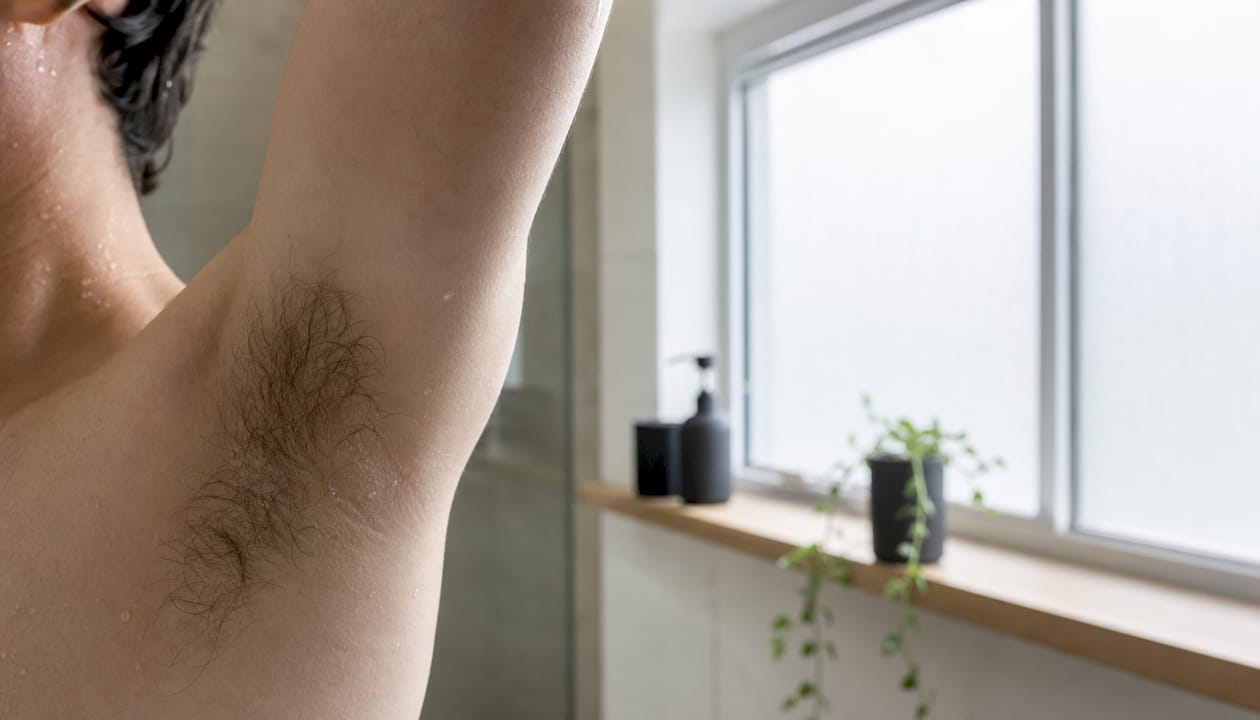
Armpit hair doesn’t smell on its own. Odor happens when bacteria on your skin break down apocrine sweat into volatile, pungent compounds, and hair mainly acts as a moisture trap that gives those bacteria a cozier place to multiply. So hair is a contributing factor, not the root cause. Here’s what actually helps, starting today:
- Cleanse daily with a gentle antimicrobial wash to reduce bacterial load on the skin.
- Apply deodorant or antiperspirant correctly (nighttime application works best for antiperspirants).
- Consider grooming if you want it, but know it’s a preference, not a medical requirement.
A comparative clinical study found hair removal reduced perceived odor in the short term, though results faded over time in several trials. If your odor changes suddenly or dramatically, that’s worth a conversation with a clinician rather than a new deodorant.
Key Takeaways
Armpit odor comes from bacteria breaking down apocrine sweat, and hair mainly worsens the problem by trapping moisture rather than causing the smell itself.
| Point | Details |
|---|---|
| Hair isn’t the cause | Odor comes from bacteria metabolizing apocrine sweat, not from the hair itself. |
| Shaving helps short term | Clinical studies show reduced odor right after hair removal, but effects often fade within days. |
| Nighttime antiperspirant works best | Applying to dry skin at night lets active compounds settle into sweat ducts before daytime sweating. |
| Watch for irritation | Micro-cuts from shaving or waxing can create secondary odor and skin problems if not cared for properly. |
| See a clinician for red flags | Sudden odor changes, heavy sweating, or signs of infection warrant a medical evaluation, not just a new deodorant. |
| Choose ingredient-conscious products | Theholisticscienceco offers aluminum-free deodorants and gentle botanical formulas that align with dermatologist-recommended, low-irritation routines. |
Table of Contents
- Armpit Hair and Odor: The Biology Behind the Smell
- What the Research Says About Hair, Moisture, and Bacteria
- An Evidence-Backed Daily Routine to Reduce Armpit Odor
- Shaving vs. Waxing vs. Laser: Grooming Choices and Odor Control
- When Armpit Odor Needs a Clinician, Not Just a New Deodorant
- A Clean-Beauty Take on Underarm Care
- Why the Shaving-Fixes-Everything Myth Persists
- Find Your Fit With Theholisticscienceco
- Frequently Asked Questions
- Sources
Armpit Hair and Odor: The Biology Behind the Smell
Your underarms host two types of sweat glands, and they behave very differently. Eccrine glands, spread across most of your body, produce watery sweat mainly for temperature regulation. Apocrine glands, concentrated in the armpits and groin, activate at puberty and secrete a thicker fluid rich in proteins and lipids.
That apocrine sweat is odorless the moment it leaves the gland. The smell shows up only after skin bacteria get to work on it, breaking those proteins and lipids into volatile compounds like thioalcohols, which carry a distinct sulfuric edge. This chemical breakdown, not the sweat itself, is what your nose actually registers as body odor, according to the Cleveland Clinic.
Body odor, technically called bromhidrosis, results from bacteria metabolizing apocrine sweat on the skin surface. Hair doesn’t produce this reaction. It simply creates conditions, like trapped moisture, that can help odor-causing bacteria thrive.
A few things influence how strong that bacterial reaction gets:
- Gland density and activity, which vary by individual and shift with hormones.
- Skin pH and microbiome composition, since some bacterial species produce far more odor byproducts than others.
- Moisture retention, which slows evaporation and gives bacteria more time to act.
Medical sources including the Mayo Clinic and Healthline frame odor control around interrupting this bacterial process, not eliminating apocrine sweat entirely, since that sweat serves a real physiological function tied to pheromone signaling and thermoregulation.
What the Research Says About Hair, Moisture, and Bacteria
Hair increases the surface area available for sweat and bacteria to cling to, and it slows how quickly moisture evaporates from the skin. Damp, unevaporated sweat sitting against skin for longer periods gives bacteria more time to convert it into odor compounds. That’s the entire mechanical case against armpit hair: it’s a moisture and surface-area issue, not a smell-producing tissue.
The clinical evidence on removing that hair is more mixed than most grooming ads suggest. A 2015 comparative clinical study measured axillary odor before and after various hair removal methods and found a real reduction immediately following removal. But a separate peer-reviewed experiment on shaving and odor pleasantness found the effect was often small and transient, fading within days as sweat and skin conditions normalized.
Here’s the honest summary of the current evidence:
- Shaving or waxing can reduce perceived odor right after the procedure.
- Long-term odor control from hair removal alone varies across studies.
- Hair removal doesn’t address the underlying bacterial activity that actually generates the smell.
Removing hair also carries its own risks. Shaving and waxing can cause micro-cuts and irritation, and those tiny abrasions can become secondary problems if paired with poor hygiene or heavy occlusive products afterward, according to dermatology commentary from Health. An irritated, inflamed underarm can develop its own odor profile that has nothing to do with the original apocrine sweat issue.
An Evidence-Backed Daily Routine to Reduce Armpit Odor
Managing armpit odor comes down to disrupting bacteria consistently, not just masking the result. This sequence pulls together the steps with the most support behind them.
- Cleanse once or twice daily with a mild antimicrobial wash. Gentle exfoliating acids like glycolic or salicylic acid help slough off dead skin cells and lower bacterial residency, according to Women’s Health. Low-concentration benzoyl peroxide (2 to 10 percent) can cut bacterial load further, but use it sparingly since it can bleach clothing and irritate skin if overused.
- Choose deodorant or antiperspirant based on your actual goal. Deodorant changes skin pH and inhibits bacterial growth; antiperspirant physically blocks sweat ducts with aluminum-based compounds. If sweat volume is your concern, antiperspirant does more work. If odor without heavy sweating is the issue, deodorant alone may be enough.
- Apply antiperspirant at night on dry, clean skin. This lets the active compounds settle into sweat ducts before daytime activity kicks sweat production back up, a timing tip backed by Women’s Health.
- Wear breathable fabrics like cotton or moisture-wicking blends, and wash workout clothes promptly rather than letting sweat set into fibers.
- Watch dietary triggers. Garlic, onion, and alcohol can alter sweat composition enough to change your baseline smell, per Medical News Today.
Pro Tip: Layering deodorant over antiperspirant, rather than the reverse, tends to work better because the antiperspirant needs direct contact with dry skin to block sweat ducts effectively.
For a routine that ties cleansing habits into a broader skin-care rhythm, a simplified five-step approach can help you stay consistent instead of reactive.
Shaving vs. Waxing vs. Laser: Grooming Choices and Odor Control
Deciding whether to remove armpit hair is a preference, not a medical necessity, and clinical commentary backs that up directly, noting that clean skin matters more than hair presence, according to Health.com. Still, if you want to groom, some methods handle odor and skin health better than others.
- Shaving delivers the fastest short-term odor reduction shown in clinical testing, but regrowth within days can bring moisture retention right back, and daily shaving raises the risk of micro-abrasions.
- Waxing and depilatory creams remove hair from a lower point in the follicle, so regrowth takes longer, but both can trigger significant irritation on sensitive underarm skin, and creams carry a chemical burn risk if left on too long.
- Laser hair removal and electrolysis offer the closest thing to a long-term fix, thinning hair density over multiple sessions and reducing the surface area where sweat and bacteria linger. Expect several sessions over months and a real cost commitment, since results build gradually rather than after one visit.
Whichever method you choose, skip heavy, occlusive products for the first 24 hours afterward. A lightweight body oil applied at the right time can support skin recovery without sealing in moisture the way thicker balms do, and reviewing how post-shave skin care differs from routine facial care can help you avoid common irritation mistakes.
When Armpit Odor Needs a Clinician, Not Just a New Deodorant
Most odor responds to consistent hygiene and the right product choice. But certain signs point to something beyond typical bacterial odor.
- Odor that changes suddenly or drastically without a clear cause like diet or medication.
- Sweating so heavy it soaks through clothing regardless of antiperspirant use, a possible sign of hyperhidrosis.
- Redness, warmth, or discharge suggesting infection rather than ordinary bacterial breakdown.
- Odor changes tied to new medications, menopause, or thyroid symptoms.
If over-the-counter antiperspirants fail, clinicians can prescribe stronger formulations or discuss Botox injections, which block the nerve signals that trigger sweating, or laser and microwave therapies that reduce sweat gland activity in the underarm, per the Mayo Clinic. Surgical options exist for severe, treatment-resistant cases but come with longer recovery and more risk, and they’re typically reserved for when everything else has failed.
Pro Tip: Before your appointment, track when the odor started, what’s changed in your diet or medications, and whether it’s constant or tied to specific triggers. That timeline speeds up diagnosis considerably.
A Clean-Beauty Take on Underarm Care
Clinical guidance and gentle formulation aren’t opposites. The same principles that dermatologists recommend, gentle exfoliation and low-irritant antimicrobial cleansing, work well with botanical ingredient philosophies when the formulations skip synthetic fragrance overload and harsh sulfates.
- Look for aluminum-free deodorants if you want odor control without sweat-blocking; check aluminum-free deodorant options to compare the trade-offs.
- Pair a mild cleanser with a fragrance-conscious deodorant, applied to dry skin at night.
- If irritation from grooming shows up, a redness-focused botanical routine applies just as well to underarms as to facial skin.
Why the Shaving-Fixes-Everything Myth Persists
The evidence doesn’t support treating hair removal as an odor solution on its own. It supports treating it as one small lever among several, with cleansing habits and product choice doing most of the real work. That’s the piece conventional grooming advice keeps getting backward: it sells hair removal as the fix when the research shows its effect is often modest and short-lived.
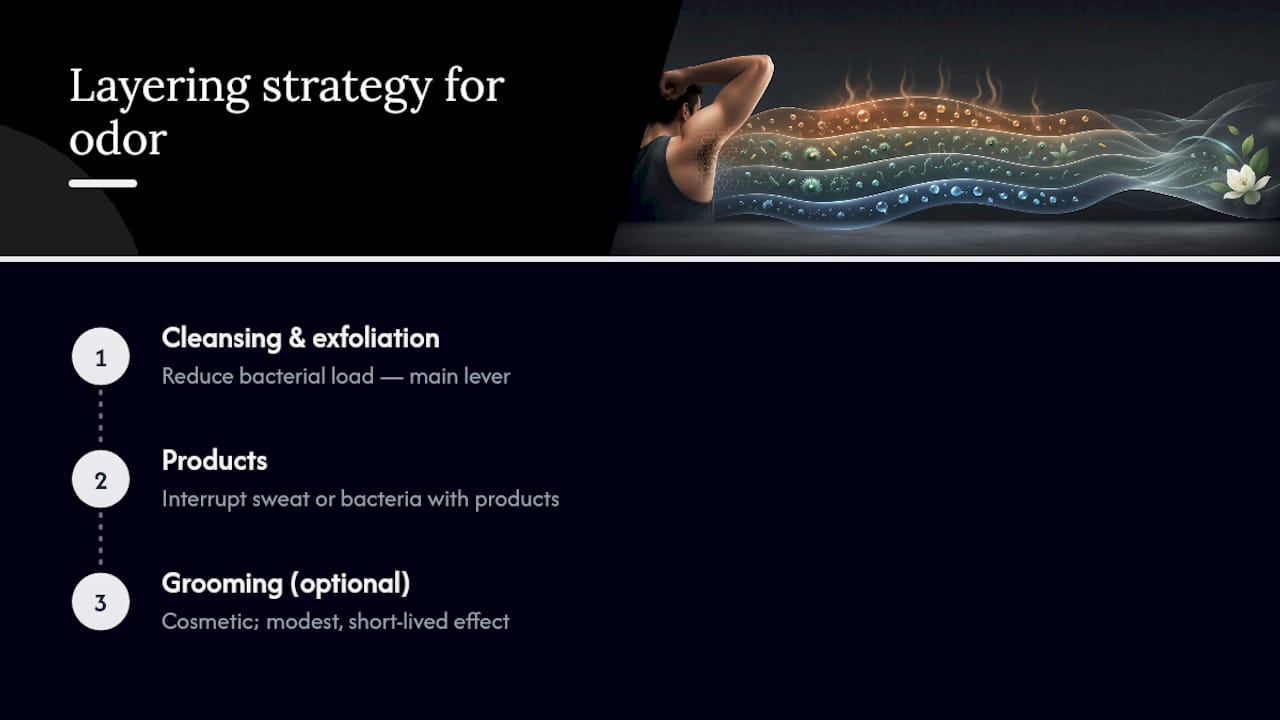
What the studies actually support is a layering strategy: reduce bacterial load through gentle exfoliation and cleansing, interrupt sweat or bacteria with the right product, and treat grooming as an optional cosmetic layer on top. If you only have energy for one change, skip the razor and fix your cleansing routine first. Hair removal without addressing the bacterial environment underneath is like repainting a wall without fixing the leak behind it. It looks better for a few days, then you’re back where you started.
Find Your Fit With Theholisticscienceco
If reading through the biology and routines above left you wanting products that actually match this approach, Theholisticscienceco builds deodorants and skin care around the same principle this article covers: manage bacteria gently instead of masking odor with synthetic fragrance overload.

Every formula excludes common synthetic chemicals and lists ingredients transparently, so you know exactly what’s touching sensitive underarm skin after shaving, waxing, or laser sessions. That matters more than most grooming guides admit, since irritated skin from hair removal needs calmer products, not harsher ones. Whether you’re rebuilding a nighttime antiperspirant routine or looking for an aluminum-free option that still handles odor, start by browsing the full product lineup at Theholisticscienceco and picking the formula that matches how you actually groom.
Frequently Asked Questions
Does shaving reduce armpit odor permanently? No. Shaving can reduce perceived odor immediately afterward, but clinical research shows the effect is often temporary, fading as hair regrows and moisture retention returns to baseline.
Is deodorant or antiperspirant better for armpit odor? Deodorant targets bacteria and masks smell by shifting skin pH; antiperspirant physically blocks sweat ducts to reduce moisture. If sweating drives your odor, antiperspirant does more; if odor persists without heavy sweat, deodorant may suffice.
Can natural remedies actually reduce armpit odor? Gentle exfoliation with glycolic or salicylic acid, breathable fabrics, and consistent cleansing all reduce the bacterial environment that causes odor, functioning as legitimate, evidence-supported alternatives to heavy synthetic antiperspirants.
Why does my armpit odor suddenly smell different? Sudden changes often trace back to diet, new medications, hormonal shifts, or infection rather than hair growth. Persistent or severe changes deserve a clinician’s evaluation.
Does removing armpit hair prevent bacterial growth? It reduces the surface area and moisture retention that let bacteria linger, but it doesn’t eliminate the apocrine sweat that feeds bacterial activity in the first place.
This article is general information, not a substitute for advice from a qualified doctor. Consult a qualified healthcare professional about your own circumstances before acting on anything here.
Sources
- Body odor - Cleveland Clinic
- Smelly armpits: Causes, treatments, prevention - Healthline
- Sweating and body odor - Diagnosis & treatment - Mayo Clinic
- A comparative clinical study of different hair removal procedures and their impact on axillary odor reduction in men - PMC
- How to get rid of armpit odor - Women’s Health
Recommended
- Natural Deodorant Rash: Causes, Relief, and Prevention - The Holistic Science Co.
- Top 4 Aluminum Free Deodorant Options 2026 - The Holistic Science Co.
- When to Apply Body Oil: Lock in Hydration After a Shower - The Holistic Science Co.
- How Beard Skin Care Differs From Regular Facial Care - The Holistic Science Co.