
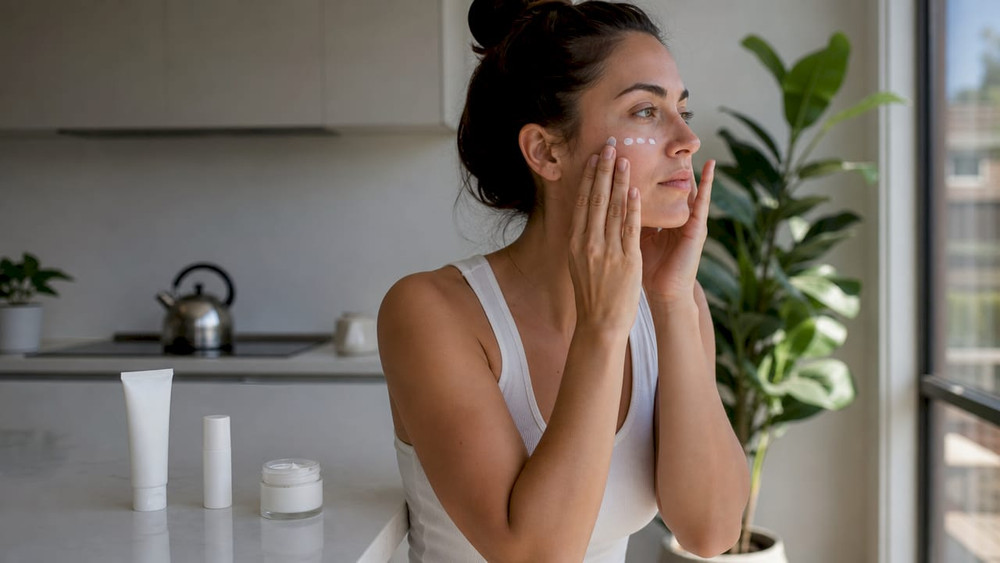
Your Simplified Skin Care Routine: 5 Steps That Work
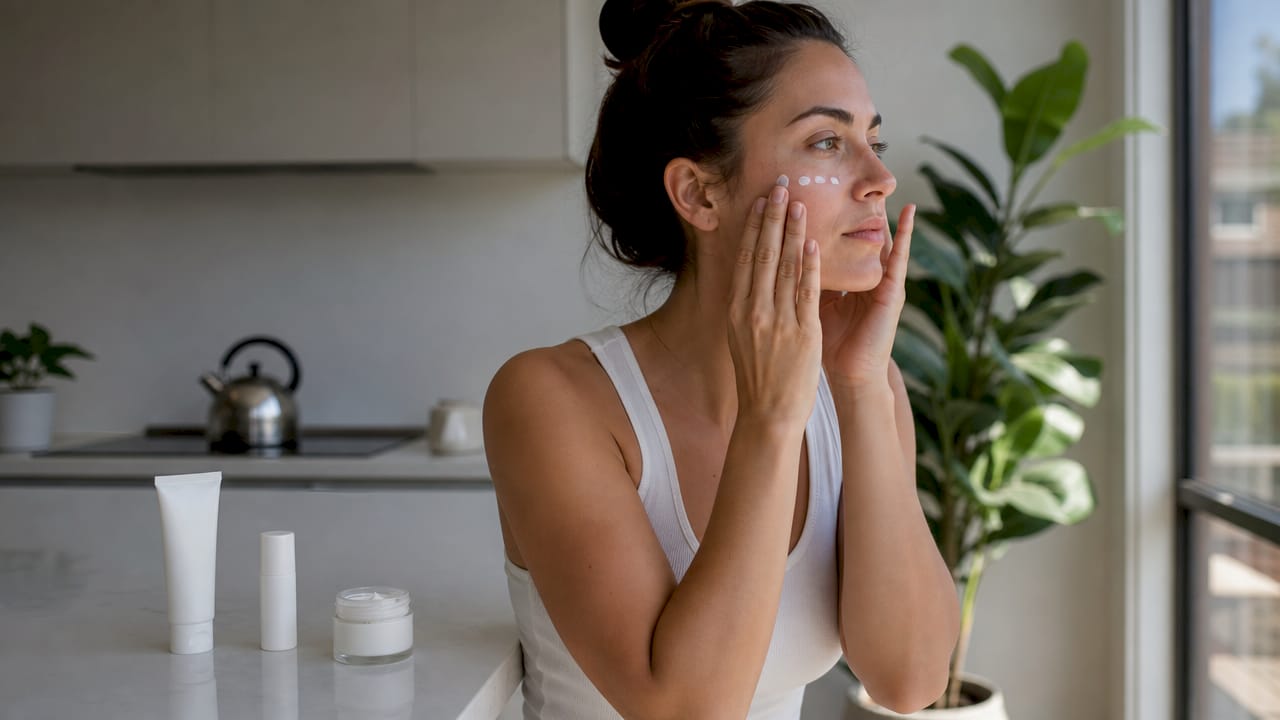
A simplified skin care routine is a daily regimen built on essential, science-backed steps that maintain healthy skin without the complexity that leads to irritation, wasted money, or abandoned habits. Dermatologists consistently recommend that cleansing, hydration, and SPF form the non-negotiable core of any effective regimen. The good news? You do not need a 10-step shelf to get real results. What you need is the right three to five products, applied consistently, in the right order. This article walks you through exactly that, with guidance from Theholisticscienceco on building a minimalist skin care practice that actually sticks.
What core products form a simplified skin care routine?
A minimalist skin care regimen rests on three pillars: a gentle cleanser, a moisturizer, and a broad-spectrum sunscreen. Everything else is optional, and that is not a compromise. That is the point.
The cleanser is your foundation. A non-foaming, fragrance-free cleanser with ceramides removes impurities without stripping your skin barrier. Products like the Gentle Facial Cleanser are frequently cited by dermatologists precisely because they clean without disrupting the lipid layer your skin depends on. Harsh sulfate-based cleansers feel satisfying in the moment but leave skin tight, reactive and more vulnerable to environmental damage.

The moisturizer does more than add water. Look for formulas containing ceramides, hyaluronic acid, or niacinamide. These ingredients work at the barrier level, locking in hydration and reducing redness. Moisturizers matched to your climate outperform those chosen by skin type alone. A lightweight gel works well in humid summers such as the Pure SPF-15; a richer cream with occlusive ingredients like shea butter is the smarter pick in dry winter conditions which you'll find in the Ultra Corrective Facial Cream.
The sunscreen is non-negotiable. Daily broad-spectrum SPF prevents premature aging, dark spots, and skin cancer. SPF 15 or higher is the standard. Mineral options containing zinc oxide or titanium dioxide suit sensitive skin particularly well.
Beyond these three, you have room for one active treatment tailored to your primary concern:
- Vitamin C serum for brightening and antioxidant protection (morning use)
- Retinoids (retinol or prescription tretinoin) for anti-aging and cell turnover (evening use)
- Salicylic acid for acne-prone or congested skin (evening use)
- Azelaic acid for redness, hyperpigmentation, or rosacea-prone skin
Incorporating only one active at a time lets you assess what is actually working and avoids the irritation cascade that comes from layering too many treatments. This is not a limitation. It is the strategy.
Pro Tip: If your skin feels tight, red, or reactive, strip your routine back to cleanser, moisturizer and SPF only. Give it eight to twelve weeks before reintroducing any active treatment.
How to build your morning and evening routines step by step
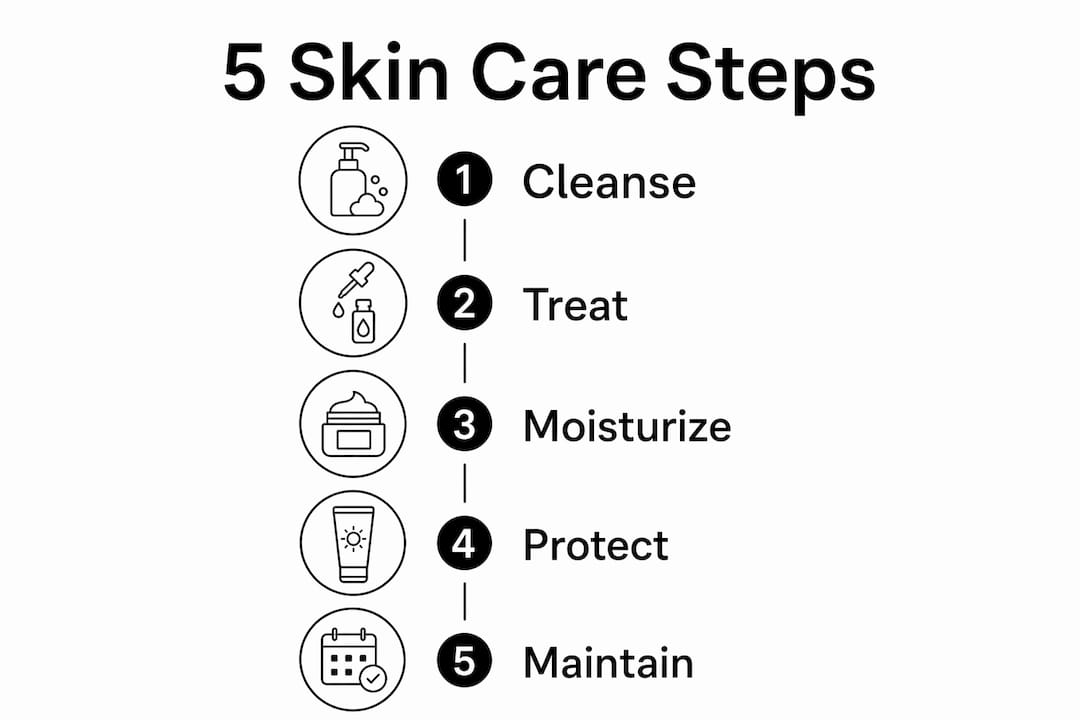
Structure matters as much as product selection. Applying products in the wrong order reduces their effectiveness. Applying too many at once increases the chance of irritation. Here is the sequence that works.
Morning routine
- Cleanse (or rinse with water if your skin is not oily or you did not sweat overnight). A gentle cleanser used twice daily is the maximum; more than that strips your barrier.
- Vitamin C serum (optional but highly effective). Apply to dry skin before moisturizer. Vitamin C in the morning pairs well with SPF because it boosts antioxidant defense against UV-generated free radicals.
- Moisturizer. Apply while skin is slightly damp to lock in hydration. Pat gently rather than rubbing.
- Sunscreen. This is always the last step in your morning routine. Apply a full quarter-teaspoon to your face and do not forget your neck.
Evening routine
- Makeup removal. Use a micellar water like the Cleansing Water, cleansing balm or oil cleanser (such as the Olive+Marula) first if you wear makeup or SPF. This is the pre-cleanse step that makes your second cleanse actually effective.
- Gentle cleanser. Follow with your regular cleanser to remove residue and the day’s buildup.
- Active treatment. Retinoids and exfoliating acids belong at night because they increase photosensitivity. Apply to dry skin and wait two to three minutes before the next step.
- Moisturizer. Use a slightly richer formula at night. Your skin repairs itself during sleep, and a good moisturizer supports that process.
Pro Tip: New to retinoids? Start with two nights per week and build up gradually. Waiting at least 12 weeks before judging results prevents premature abandonment of treatments that need time to deliver.
The layering order follows a simple rule: thinnest to thickest. Serums before moisturizers, moisturizers before oils, sunscreen last in the morning. This sequence lets each product absorb properly and perform as intended.
How to adapt your routine for your skin type and concerns
A basic skin care routine is universal in structure but personal in product selection. The same three-step framework applies to every skin type. What changes is the texture, concentration, and frequency of what you use.
| Skin type | Cleanser choice | Moisturizer choice | Active treatment |
|---|---|---|---|
| Oily or acne-prone | Gel or foam cleanser with salicylic acid | Lightweight, oil-free gel moisturizer | Salicylic acid or niacinamide |
| Dry or dehydrated | Cream or milk cleanser, no sulfates | Rich cream with ceramides and shea butter | Hyaluronic acid or gentle retinol |
| Sensitive or reactive | Fragrance-free micellar water or cream cleanser | Barrier-repair formula with ceramides and oat extract | None during flares; azelaic acid when stable |
| Combination | Gentle gel cleanser | Lightweight lotion, richer on dry zones | Vitamin C or low-dose retinol |
For sensitive or reactive skin, the concept of skin cycling is worth knowing. Skin cycling alternates nights between active treatments and barrier-support care, giving skin recovery time between exfoliation or retinoid use. A typical four-night cycle looks like this: exfoliation night, retinoid night, then two recovery nights focused on moisturizer and barrier repair only.
A few additional points worth knowing:
- Introduce new products one at a time, spaced two weeks apart, so you can identify what causes a reaction if one occurs.
- Over-exfoliation and multi-active layering increases irritation and reduces barrier function. Irritation rates rise sharply when routines include more than three or four active products. That is a signal to cut back, not push through.
- If you move between climates or seasons, reassess your moisturizer. What works in Miami in July will not serve you in Chicago in January.
Common mistakes that derail a simplified routine
Skin care for busy people fails most often not because of bad products, but because of avoidable habits. These are the patterns that consistently cause problems.
- Changing multiple products at once. When your skin reacts, you cannot identify the cause. Introduce one product at a time, always.
- Over-cleansing your skin. Washing more than twice daily strips your barrier and triggers rebound oiliness. A water rinse in the morning is often enough.
- Underapplying sunscreen. Most people apply less than half the amount needed for the labeled SPF protection. A quarter-teaspoon for the face is the correct dose. Many consumers underapply key products like sunscreen, which means applying the right amount matters as much as choosing the right product.
- Quitting active treatments too early. Retinoids and vitamin C take weeks to show visible results. Stopping at week three because you see no change is one of the most common and costly mistakes in skin care.
- Ignoring early irritation signals. Persistent redness, peeling, or stinging are signs to pause and reset, not to add more products to compensate.
“Routine failure usually comes from complexity and the inability to maintain daily steps. Keep it simple to build habits that last.” Real Simple
Simpler routines have higher adherence and produce better outcomes over time. Consistency with three products beats inconsistency with twelve. That is the core truth of minimalist skin care, and it is backed by dermatology, not marketing.
Key takeaways
A simplified skin care routine built on a gentle cleanser, moisturizer, and SPF 30 outperforms complex multi-step regimens because consistency and barrier health drive results, not product volume.
| Point | Details |
|---|---|
| Core three products | Cleanser, moisturizer, and broad-spectrum SPF 15 form the non-negotiable foundation. |
| One active at a time | Introduce a single treatment like vitamin C or retinol to assess effects and avoid irritation. |
| Layer thinnest to thickest | Apply serums before moisturizers and sunscreen last every morning for maximum efficacy. |
| Match products to climate | Use lightweight gels in humid conditions and richer creams in dry or cold environments. |
| Give actives 12 weeks | New treatments need at least twelve weeks to show results before you judge their effectiveness. |
Why less is genuinely more in skin care
I have watched people spend hundreds of dollars on elaborate routines and end up with angrier, more reactive skin than when they started. The pattern is almost always the same: too many actives introduced too fast, too much cleansing, and not enough patience. The skin care industry profits from complexity, but your skin does not benefit from it.
What I have found, both personally and in the feedback from people who have simplified their routines, is that the skin barrier is more resilient than we give it credit for, but only when we stop overwhelming it. Stripping it with harsh cleansers and then layering three acids on top is not a regimen. It is a cycle of damage and attempted repair.
Minimalism in skincare is not about laziness. It is strategic focus on what actually moves the needle: barrier health, hydration, and one targeted active. When I cut my own routine to four products, my skin cleared up within six weeks. Not because I found a miracle ingredient, but because I stopped sabotaging my barrier with unnecessary complexity.
The mindset shift that makes the biggest difference is this: your routine does not need to be impressive. It needs to be repeatable. A routine you do every single day with three products will always outperform a ten-step routine you do twice a week. If you want to explore how diet also shapes your skin, that is another lever worth pulling once your core routine is locked in.
— T
Nourish your skin the simple way with The Holistic Science Co.
You deserve a routine that feels good to do every single day, not one that feels like a chore. The Holistic Science Co. offers artisanal skin care essentials formulated with clean, skin-loving ingredients that make your daily skin care made simple and genuinely enjoyable.

From gentle, barrier-supporting cleansers to nourishing moisturizers that work beautifully in any climate, every product at The Holistic Science Co. is designed to slot right into a streamlined regimen. No overwhelming ingredient lists. No unnecessary fillers. Just the good stuff your skin actually needs. Explore the full range and build the simple, consistent routine your skin has been waiting for.
FAQ
What are the three must-have products in a basic skin care routine?
A gentle cleanser, a moisturizer, and a broad-spectrum SPF 15 sunscreen are the three non-negotiable products in any basic skin care routine. Dermatologist Whitney Hovenic specifically recommends this trio as the foundation of a sustainable daily regimen.
How many steps should a simplified skin care routine have?
A simplified routine needs three to five steps: cleanse, treat (optional), moisturize and apply SPF in the morning, with a double cleanse and moisturizer at night. Adding more steps does not improve results and often increases the risk of irritation.
Can a minimalist skin care routine address acne or aging?
Yes. One targeted active treatment, such as salicylic acid for acne or retinol for aging, added to a core three-step routine is enough to address most primary skin concerns. Incorporating only one active at a time allows clear assessment of results and prevents barrier damage.
How long before a simplified routine shows results?
Most skin improvements become visible within four to six weeks for hydration and texture, while active treatments like retinoids typically require at least twelve weeks to deliver measurable anti-aging or acne benefits. Patience and consistency are the two factors that matter most.
Is a simplified routine suitable for sensitive skin?
Sensitive skin benefits most from a simplified approach. Removing active ingredients and focusing only on cleanser, moisturizer, and SPF for eight to twelve weeks helps sensitive skin recover barrier function and reduces chronic irritation effectively.
Recommended
- How Diet Shapes Your Skin Appearance and Glow - The Holistic Science Co.
- Why Men Need Separate Skincare for Better Skin Health - The Holistic Science Co.
- Top 5 Cosmetics Vegan Alternatives 2026 - The Holistic Science Co.
- The Holistic Science Co.