

When to Apply Body Oil: Lock in Hydration After a Shower

Apply body oil immediately after your shower, while your skin is still slightly damp. That single timing choice makes a bigger difference than the oil you choose or how much you use.
Here’s why it works so well:
- Traps water: Damp skin still holds moisture on its surface. Oil applied at this moment seals that water in before it evaporates.
- Seals hydration: Oils act as occlusives, forming a barrier that slows moisture loss throughout the day or night.
- Absorbs faster, feels less greasy: Warm, damp skin allows oil to spread more evenly and sink in more quickly, so you get the nourishment without the slick residue.
Two quick exceptions worth knowing: if your skin is highly sensitive, applying oil before your shower can shield it from the stripping effect of water and cleansers. And if you use both lotion and oil, lotion goes on first. Oil goes on last to seal.
Key Takeaways
Applying body oil to slightly damp skin immediately after showering is the single most effective timing habit for lasting hydration, and it takes under two minutes to do correctly.
| Point | Details |
|---|---|
| Best timing | Apply within two minutes of toweling off, while skin is still slightly damp. |
| Layering order | Use lotion or cream first to hydrate, then oil on top to seal moisture in. |
| Amount and technique | Use 4–8 drops per body area, warm in palms, and massage in circular motions. |
| Safety first | Patch test any new oil on your inner forearm for 24 hours before full use. |
| Skin type matters | Oily or acne-prone skin benefits from lightweight, non-comedogenic oils used 2–3 times per week. |
| The Holistic Science Co. | Offers ingredient-transparent botanical body oils formulated for clean, effective post-shower hydration. |
Table of Contents
- When to apply body oil for the best hydration results
- Should you use body oil before or after lotion?
- How to apply body oil without feeling greasy
- Practical AM, PM, and special-case body oil routines
- Which skin types benefit most, and what to watch for
- Common body oil mistakes and how to fix them
- The habit that actually changes your skin
- Nourish your skin with Theholisticscienceco body oils
- Sources
When to apply body oil for the best hydration results
The two-minute window right after you step out of the shower is where the magic happens. Applying body oil to slightly damp skin helps it trap surface water and absorb faster than it would on completely dry skin. Pat yourself gently with a towel, leaving some moisture behind, and apply oil while your skin is still warm and receptive.
The reason this works comes down to a process called occlusion. Oils don’t add water to your skin; they form a barrier that prevents the water already there from escaping. A PMC review on skin barrier function and emollients confirms that occlusive agents reduce transepidermal water loss (TEWL), which is the steady evaporation of moisture through the outer skin layer. When you apply oil to dry skin, you’re sealing in very little. When you apply it to damp skin, you’re locking in a meaningful reservoir of hydration.
Both the Mayo Clinic and the American Academy of Dermatology recommend moisturizing promptly after bathing for exactly this reason. The Mayo Clinic also advises using lukewarm water and gentle cleansers, since hot water and harsh soaps strip the skin’s natural oils before you even reach for the bottle. That prep work matters. A gentle biodegradable body wash leaves your skin’s barrier more intact, so the oil has more to work with.
The result you’ll notice: skin that stays soft and comfortable for hours longer than it would if you applied oil after your skin had fully dried.
Should you use body oil before or after lotion?
The layering order trips up a lot of people, but the rule is straightforward: water-based products first, oil last.
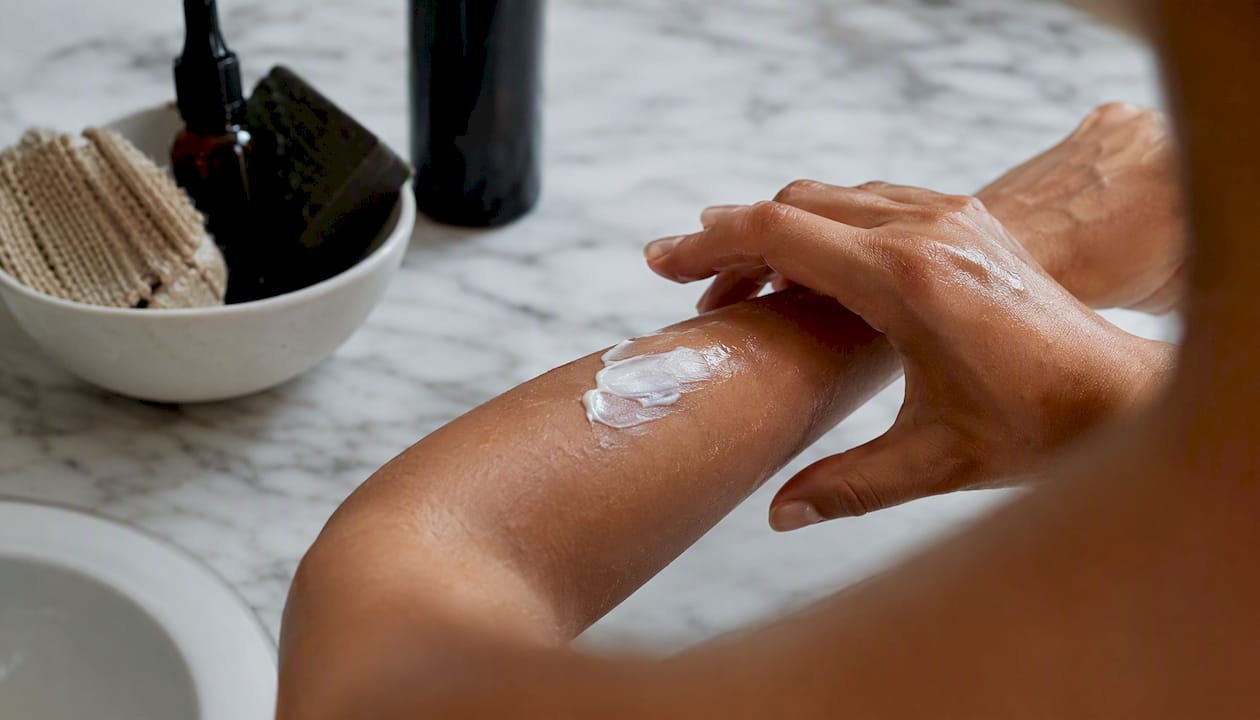
Lotion and cream contain water. Oil does not. If you apply oil first, it creates a barrier that prevents your lotion’s water-based ingredients from penetrating the skin. Flip the order, and everything works the way it should: lotion hydrates, oil seals.
Dermatologists consistently recommend the “hydrate then seal” approach, and it holds up for most skin types. For a deeper look at how this fits into a full routine, the guide on layering skincare products correctly walks through the logic step by step.
That said, the right approach depends on your skin and the season:
| Scenario | Recommended approach | Why |
|---|---|---|
| Mild dryness, quick routine | Oil only on damp skin | Sufficient for everyday maintenance |
| Very dry skin or winter months | Lotion first, then oil | Doubles the hydration and sealing effect |
| Overnight treatment | Light lotion + richer oil | Skin repairs overnight; extra occlusion helps |
| Acne-prone or oily skin | Lightweight, non-comedogenic oil only | Avoids pore congestion; skip heavy layering |
| Highly sensitive or compromised skin | Oil before shower, light layer after | Pre-shower oil shields against cleanser irritation |
The pre-shower option for sensitive skin is worth a closer look. Applying oil before showering creates a protective film that softens the impact of water and cleansers on a fragile barrier. You can follow up with a lighter layer post-shower if your skin still feels tight.
How to apply body oil without feeling greasy
The greasy feeling almost always comes from one of two things: too much oil, or applying it to skin that’s too dry. Fix the timing and the amount, and the problem usually disappears.
Here’s the step-by-step routine that works:
- Shower with lukewarm water and a gentle, sulfate-free cleanser. Hot water strips your skin’s natural oils and makes the barrier harder to restore.
- Pat your skin lightly with a towel. You want damp, not dripping. A little surface moisture is the goal.
- Dispense a small amount of oil into your palms: roughly 4–6 drops for arms, 6–8 drops for legs, 2–3 drops for the chest and décolletage. Less is almost always more.
- Warm the oil between your hands for 3–5 seconds before touching your skin. This thins the oil slightly and helps it spread evenly.
- Apply in circular motions, working from the feet upward. Circular massage encourages absorption and boosts circulation.
- Focus on dry-prone areas first: shins, elbows, knees, and heels tend to need the most attention.
- Wait 60–90 seconds before dressing. A brief air-dry period lets the oil settle and dramatically reduces transfer onto clothing.
Pro Tip: Warm oil absorbs noticeably faster than cold oil. If your bathroom is cool, hold the bottle under warm tap water for 30 seconds before dispensing. Combined with circular massage and a short wait before dressing, this one habit cuts the greasy feeling almost entirely.
For a broader look at building this into a consistent routine, the 5-step simplified skin care routine from Theholisticscienceco is a practical starting point.
Practical AM, PM, and special-case body oil routines
Body oil doesn’t have to be a production. Three simple templates cover most situations.
Morning quick routine
Step out of the shower, pat skin lightly damp, and apply 4–5 drops of a dry or lightweight oil (think squalane or grapeseed) to arms and legs. Massage in for 30 seconds, wait 60 seconds, then dress. Total added time: under two minutes. Dry oils absorb quickly and won’t transfer onto work clothes.
Evening deep-moisture routine
After your evening shower or bath, apply a lotion or cream first while skin is still damp. Let it absorb for a minute, then layer a richer oil over the top. Heavier oils like jojoba or marula work well here because you don’t need to worry about transfer. Nighttime is when skin does its repair work, and the extra occlusion supports that process. If you want to understand why nightly oil use pays off, the piece on why women use facial oils nightly covers the absorption science in detail, and the same logic applies to body oils.
Post-shave and after-sun care
After shaving, skin is freshly exfoliated and more permeable, which makes it an ideal moment to apply a calming, lightweight oil. Apply within two minutes of rinsing, using gentle downward strokes rather than circular motions to avoid irritation on freshly shaved skin.
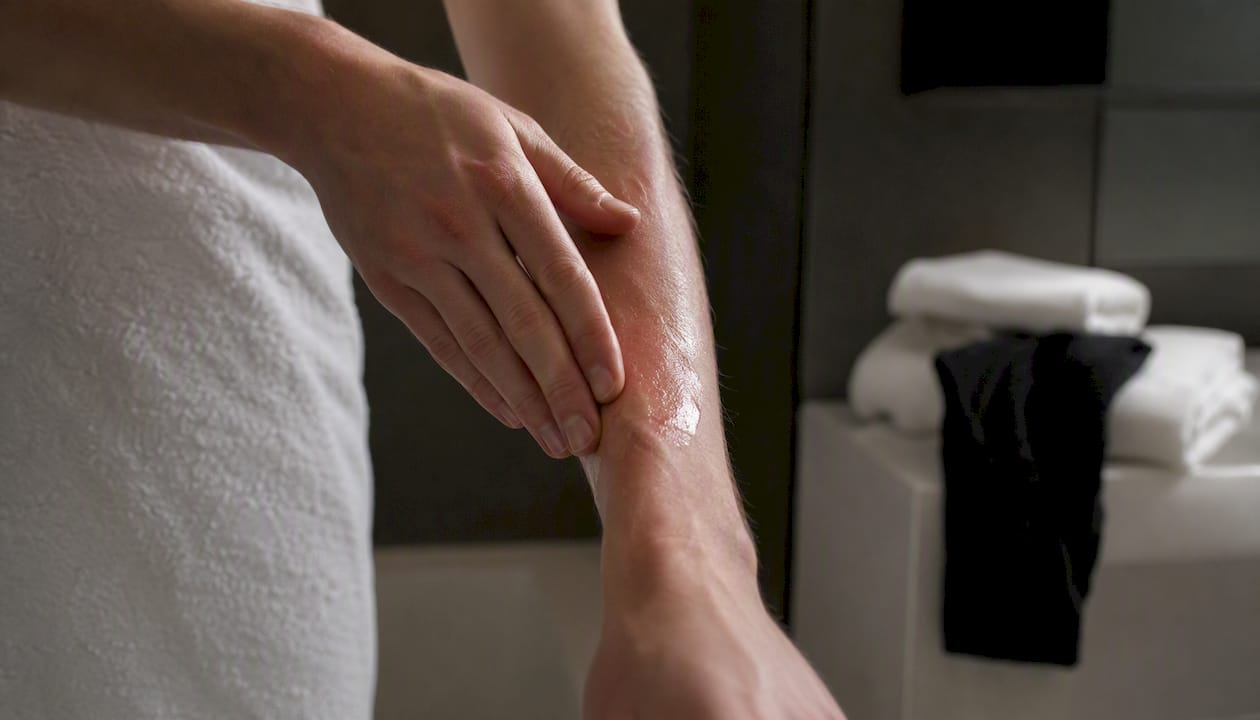
After sun exposure, let your skin cool fully before applying oil. Some seed oils can interact with sun sensitivity, so understanding which oils affect photosensitivity is worth a quick read before you reach for a culinary-derived oil post-beach. Stick to well-formulated body oils with known, transparent ingredient lists in these situations.
Seasonal adjustment: In colder or drier conditions, consider using more oil and switching to a richer formula. In summer, a lighter dry oil prevents the heavy, sticky feeling that comes with heat and humidity.
Which skin types benefit most, and what to watch for
Body oil works beautifully for most skin types, but the right oil and frequency vary.
Dry skin responds best to richer, more occlusive oils like jojoba, marula, or argan. Daily use post-shower is appropriate and often transformative for people who’ve struggled with persistent flaking or tightness.
Normal skin can use most oil types without issue. A lightweight oil applied regularly after showering can maintain softness without overloading the skin.
Combination skin benefits from targeted application: richer oil on dry areas like shins and elbows, and a lighter touch (or none at all) on areas that tend to be oilier.
Oily or acne-prone skin should choose lightweight, non-comedogenic oils like squalane or grapeseed, and limit application to two or three times per week. Avoid heavy, occlusive formulas on the chest and back if those areas are breakout-prone.
Eczema-prone or compromised skin often benefits from oil, but the ingredient list matters enormously. Fragrance-free, botanically transparent formulas are the safest starting point. The pre-shower application method can also reduce the irritation that water and cleansers cause on already-sensitized skin.
Patch-test protocol: Before using any new body oil across a large area, apply a small amount to the inner forearm and wait 24 hours. If redness, itching, or bumps appear, discontinue use. Introduce new oils gradually, starting with two or three applications per week before moving to daily use.
A note on sun sensitivity: certain seed oils, particularly those high in polyunsaturated fatty acids, may increase photosensitivity in some people. If you apply body oil in the morning, follow up with sunscreen on exposed skin. When in doubt about a specific oil’s interaction with sun exposure, consult a dermatologist.
Common body oil mistakes and how to fix them
Most body oil frustrations trace back to a handful of fixable habits.
- Too greasy after application: You’re using too much. Cut the amount by half and warm the oil between your palms before applying. The warmth thins the oil and helps it spread further with less product.
- Applying to completely dry skin: Oil on dry skin sits on the surface instead of absorbing. Pat skin damp after your shower and apply within two minutes of toweling off.
- Oil applied before lotion: This blocks your lotion’s water-based ingredients from reaching the skin. Always apply lotion first, oil second.
- Staining clothes or sheets: You’re not waiting long enough before dressing or getting into bed. A 60–90 second air-dry period after application reduces transfer significantly. For nighttime use, a lighter layer also helps.
- Lingering stickiness: Usually a sign of too much product or an oil that doesn’t suit your skin type. Try a dry oil formula, reduce the amount, and make sure you’re massaging it in fully rather than just patting it on.
- Clogged pores or small breakouts: Switch to a non-comedogenic oil and reduce frequency. Avoid applying heavy oils to the chest or back if those areas are acne-prone.
- Persistent irritation or widespread breakouts: Stop use immediately, do a patch test with a different formula, and see a dermatologist if symptoms don’t clear within a few days.
The habit that actually changes your skin
The most underrated thing about body oil isn’t the formula. It’s the two-minute window.
Every piece of guidance in this article points to the same truth: consistency and timing matter more than the price of the bottle. A mid-range botanical oil applied within two minutes of toweling off, every day, will outperform an expensive oil used sporadically on dry skin. The skin barrier responds to reliable, repeated care, not to occasional indulgence.
What I find most encouraging about this routine is how low-friction it can be. You’re already in the bathroom. Your skin is already warm and damp. Adding oil takes 90 seconds. The habit doesn’t require a new time slot in your day; it just requires doing one thing differently inside a routine you already have.
The layering order, the quantity, the massage technique: these details matter, but they’re refinements. Get the timing right first. Then adjust everything else based on how your skin responds. Theholisticscienceco’s commitment to ingredient transparency means you can actually read the label and know what you’re putting on your skin, which makes that personalization process a lot more straightforward.
Nourish your skin with The Holistic Science Co.'s body oils

The Holistic Science Co. formulates body oils with full ingredient transparency, no common synthetic chemicals, and botanicals chosen for real skin benefit. If you’ve been applying oil on dry skin and wondering why it feels heavy or doesn’t absorb, the timing fix in this article is the first step. The second is choosing an oil whose ingredient list you can actually trust.
Before adding any new oil to your routine, do a 24-hour patch test on your inner forearm. Then apply to slightly damp skin right after your shower, using the circular massage technique above. You’ll notice the difference within a few days.
Shop The Holistic Science Co.’s body oils and find a formula that fits your skin type and routine.
Sources
The following sources informed this article and are worth bookmarking for further reading.
- Dry skin - Diagnosis and treatment - Mayo Clinic
- Dermatologists’ tips to relieve dry skin | American Academy of Dermatology
- PMC article on skin barrier and emollients (PMC5796020)
- When to Use Body Oil: Before or After Lotion? | TheBeautyFoodie
- Should You Use Body Oil Before Or After The Shower? | mindbodygreen
Recommended
- Why Women Use Facial Oils Nightly: 2026 Guide - The Holistic Science Co.
- Types of Natural Skincare Ingredients: Your Full Guide - The Holistic Science Co.
- How to Layer Skincare Products Correctly in 2026 - The Holistic Science Co.
- How Beard Skin Care Differs From Regular Facial Care - The Holistic Science Co.