
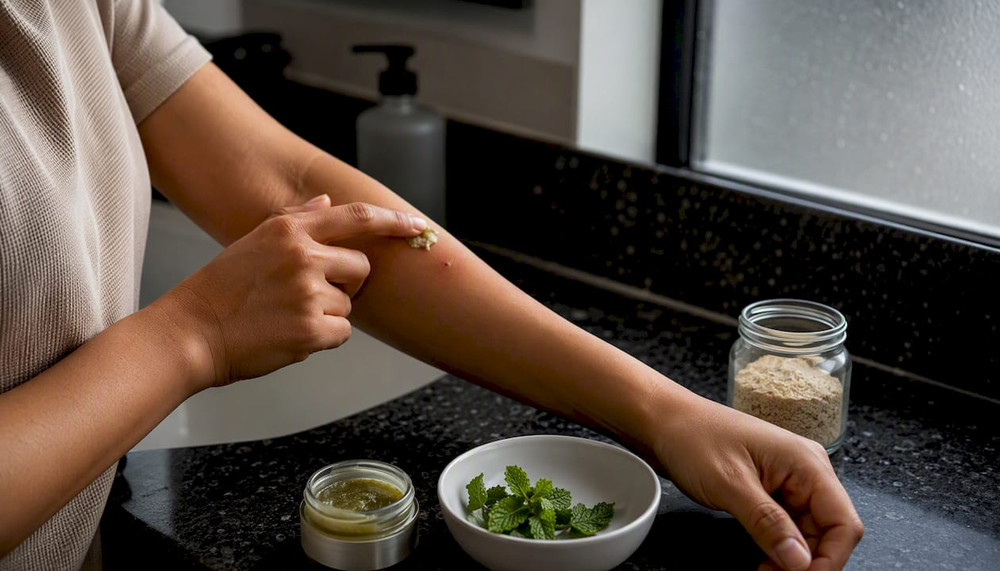
Bug Bite Itch Relief: Fast, Safe Steps That Work
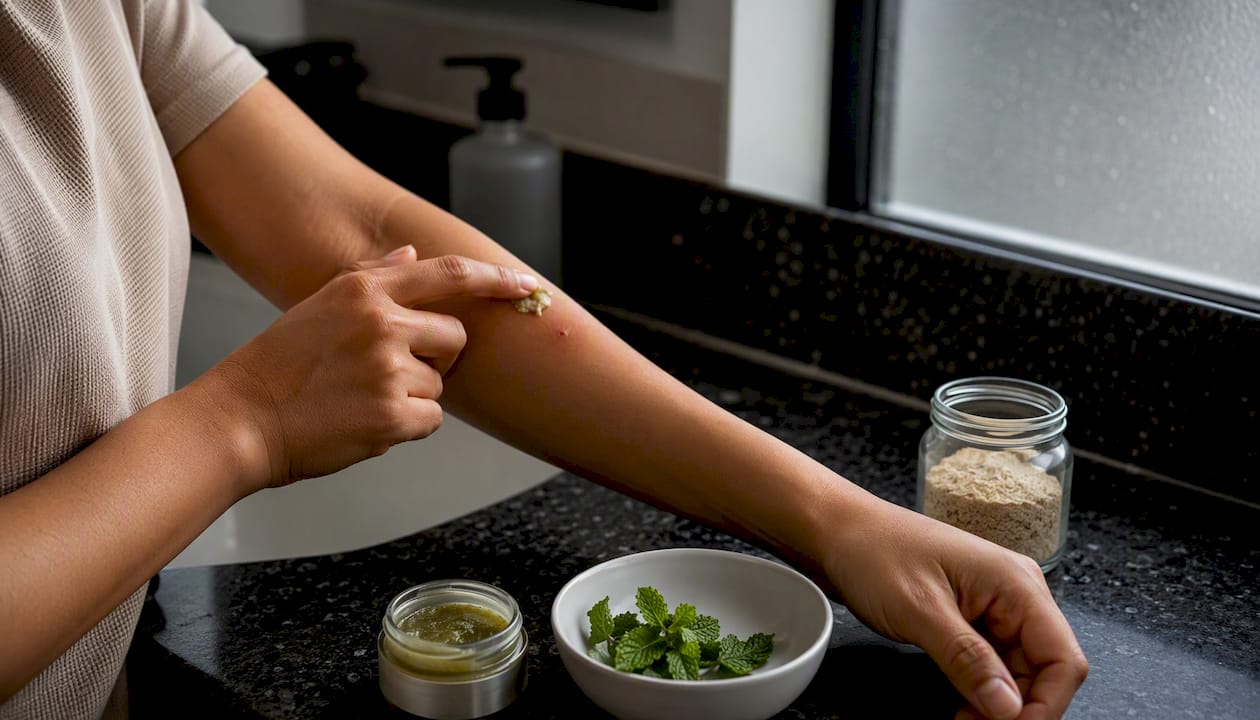
Most bites from mosquitoes, gnats, and similar insects heal on their own in a few days with simple home care.
Do this in the first 5–10 minutes:
- Wash the bite gently with mild soap and warm water.
- Apply a cold compress or wrapped ice pack for several minutes to reduce swelling and numb the itch.
- Pat dry, then apply a thin layer of calamine lotion, 1% hydrocortisone cream, or a topical antihistamine stick.
- Press firmly on the bite for 10 seconds as a sensory alternative when the urge to scratch hits.
- Keep the area clean and uncovered unless the product label says otherwise.
Emergency red flags — call 911 or go to the ER immediately if you notice: trouble breathing, swelling of the face or throat, sudden dizziness or fainting, widespread hives, or any sign of a severe allergic reaction (anaphylaxis). Bites near the eyes or mouth, or from a scorpion, brown recluse, or black widow spider, also warrant urgent medical evaluation.
Key Takeaways
The fastest, safest approach to bug bite itch relief combines immediate cleaning and cooling with the right topical, and knowing when a reaction needs more than home care.
| Point | Details |
|---|---|
| Clean and cool first | Wash with soap and water, then apply ice for 10 minutes before any topical. |
| Best OTC topicals | Calamine lotion, 1% hydrocortisone cream, diphenhydramine stick, and pramoxine each target itch differently. |
| Home remedies that help | Baking soda paste, colloidal oatmeal, pure aloe vera, and firm pressure are reliable and low-risk. |
| Emergency red flags | Breathing trouble, face/throat swelling, or widespread hives require 911 — not home treatment. |
| The Holistic Science Co. | Offers ingredient-transparent botanical products for gentle skin recovery after mild bites. |
Table of Contents
- Why bug bites itch so intensely
- The best OTC options for stopping bug bite itch
- Home remedies that actually soothe bites (and what to skip)
- How to apply topical treatments safely
- When to call a doctor or go to the emergency room
- Simple prevention steps that actually reduce bites
- Why ingredient transparency matters for bite care
- A gentle botanical option from Theholisticscienceco
- Sources
Why bug bites itch so intensely
The itch is your immune system reacting to proteins in insect saliva. When a mosquito or other insect bites, it injects saliva that your body recognizes as foreign. Your immune system responds by releasing histamine, which causes local blood vessels to dilate, fluid to accumulate under the skin, and that familiar red, raised, itchy bump to form.
Board-certified dermatologist Dr. Michele Green explains that understanding this immune response is the key to resisting the scratch reflex. Scratching feels satisfying for about two seconds, then makes everything worse. It releases more inflammatory mediators, including additional histamine, which intensifies the itch and can break the skin surface, opening the door to secondary bacterial infection.
A few things worth knowing about how reactions vary:
- First-time bites from a new insect species may itch less, since your immune system hasn’t yet been sensitized to that saliva.
- Repeat exposure can increase sensitivity over time, though some people develop partial tolerance.
- Children often react more intensely than adults, and people with sensitive skin or eczema may experience stronger local inflammation.
The practical takeaway: treating the histamine response early, before you scratch, shortens the itch cycle considerably.
The best OTC options for stopping bug bite itch
For most people, the most effective over-the-counter choices are calamine lotion, hydrocortisone cream, a topical antihistamine like a diphenhydramine-containing stick, and topical anesthetics containing pramoxine. Each works through a different mechanism, so the right pick depends on your situation.
Active ingredient roles at a glance: Hydrocortisone cream (low concentration) = mild topical steroid that calms inflammation; topical diphenhydramine = local antihistamine that blocks histamine at the skin surface; pramoxine = topical anesthetic that numbs the nerve signals causing itch; calamine = soothing, mildly drying agent that cools and protects irritated skin.
Oral antihistamines are a solid follow-up option when you have multiple bites or the topicals aren’t cutting it. Non-sedating options like cetirizine (Zyrtec) or loratadine (Claritin) work well during the day. If nighttime itching is disrupting sleep, diphenhydramine taken orally (Benadryl) is sedating by design.
| Active Ingredient | Mechanism | Best Use Case | Age Notes | Key Warnings |
|---|---|---|---|---|
| Hydrocortisone cream (low concentration) | Mild topical steroid; reduces inflammation | Moderate itch, redness, swelling | Generally safe for adults; consult pediatrician for children under 2 | Avoid on face, groin, or large areas; short-term use only |
| Topical diphenhydramine | Blocks histamine at skin surface | Localized itch on small areas | Avoid in children under 2 without guidance; not for large skin areas | Can cause contact sensitization with prolonged use |
| Pramoxine | Topical anesthetic; numbs itch nerve signals | Fast, short-term itch numbing | Generally safe for adults; check label for children | Avoid on broken or infected skin |
| Calamine lotion | Soothing, mildly drying; cools skin | Mild-to-moderate itch, weeping bites | Safe for most ages when used as directed | Avoid near eyes; shake well before use |
| Oral antihistamines | Systemic histamine blockade | Multiple bites; nighttime relief | Pediatric dosing varies by product; follow label | Sedating types impair driving; avoid alcohol |
A few cautions worth keeping in mind:
- Don’t apply topical antihistamines over large skin areas; systemic absorption can cause side effects.
- Avoid using hydrocortisone under tight bandages or occlusive wraps unless a clinician directs it.
- Never apply pramoxine or any topical anesthetic to open wounds or visibly infected skin.
Home remedies that actually soothe bites (and what to skip)
Reliable home remedies work by cooling the skin, reducing local inflammation, or providing a competing sensory signal that interrupts the itch. The NHS confirms that cold compresses and mild topical options are appropriate first-line home care for most insect bites.
What works:
- Cooling+Soothing Body Gel with Aloe and MSM
- Cold compress or ice pack: Wrap ice in a cloth and apply for several minutes. Cold constricts blood vessels, reduces swelling, and temporarily numbs the itch nerve endings.
- Baking soda paste: Mix 1 tablespoon of baking soda with just enough water to form a thick paste. Apply to the bite, leave for 10 minutes, then rinse. Its mild alkalinity can calm the local pH irritation.
- Colloidal oatmeal compress: Dissolve colloidal oatmeal (finely milled, not regular rolled oats) in cool water and apply with a clean cloth. Oatmeal contains avenanthramides, compounds with well-documented anti-inflammatory properties for irritated skin.
- Pure aloe vera gel: Use 100% pure aloe gel, not a product with added fragrances or alcohol. Apply a thin layer directly to the bite for a cooling, calming effect.
- Firm pressure: Press a fingernail or the flat of your finger firmly on the bite for 10 seconds. This sensory substitution interrupts the itch signal without breaking the skin.
Remedies to avoid or use cautiously: Undiluted apple cider vinegar on broken skin can cause chemical irritation. Rubbing alcohol on open wounds stings and delays healing. Never pop a blister from a bite — it dramatically raises infection risk. Unknown essential oils applied neat (undiluted) to irritated skin can trigger contact dermatitis, which is a whole new problem on top of the original bite.
One principle that applies to every remedy: clean the bite with soap and water before applying anything. Applying a botanical or topical product to an uncleaned bite traps bacteria and increases the risk of infection and skin sensitivity.
How to apply topical treatments safely
Clean first, always. Wash the bite with mild soap and water, pat dry, then apply your chosen topical.
- Wash the bite area gently with soap and warm water for 20 seconds.
- Cool with a cold compress for 10 minutes to reduce swelling before applying any product.
- Apply a thin layer of your chosen topical — a pea-sized amount covers most bite areas adequately.
- Do not rub aggressively. Pat or dab the product on; friction adds irritation.
- Reapply per label instructions. Hydrocortisone cream (low concentration) and calamine lotion are typically used 3–4 times daily. Follow the same schedule for topical antihistamine sticks.
- Cover only if the label permits. Most topicals work best left open to air; occlusion can increase steroid absorption.
Stop the topical and see a clinician if: the bite area becomes increasingly red, warm, or painful after 48 hours; you see pus or streaking redness; or the itch worsens rather than improving with treatment.
Special population notes:
- Children under 2: Consult a pediatrician before using hydrocortisone or topical antihistamines.
- Pregnant or breastfeeding: Topical hydrocortisone at low doses is generally considered low-risk for short-term use, but check with your OB or midwife before using oral antihistamines.
- Immunocompromised individuals: Any bite showing signs of infection warrants prompt clinical evaluation rather than extended home treatment.
For skin health improvement more broadly, supporting the skin barrier after a bite with a gentle, fragrance-free moisturizer helps the area recover faster once the acute itch resolves.
When to call a doctor or go to the emergency room
Most bites are annoying, not dangerous. But some reactions require immediate care, and knowing the difference can be genuinely life-saving.
Go to the ER immediately for any of these:
- Trouble breathing or wheezing after a bite
- Swelling of the face, lips, tongue, or throat
- Sudden dizziness, fainting, or rapid heartbeat
- Widespread hives spreading beyond the bite site
- Nausea or vomiting alongside the above symptoms
Anyone with a prescribed epinephrine autoinjector (EpiPen) should use it at the first sign of anaphylaxis and call 911 immediately afterward, even if symptoms seem to improve.
See a clinician promptly (within 24–48 hours) for:
- Increasing pain, warmth, or redness spreading outward from the bite
- Pus, crusting, or a wound that looks infected
- Red streaks radiating from the bite site (a sign of spreading infection)
- Bites near the eyes, mouth, or genitals
- Any bite you suspect came from a brown recluse spider, black widow spider, or scorpion
- Symptoms that persist or worsen beyond the expected few-day healing window
According to Cleveland Clinic guidance, bites from scorpions and venomous spiders often require emergency evaluation regardless of how mild the initial reaction appears, since venom effects can be delayed.
Simple prevention steps that actually reduce bites
The most reliable prevention combines an EPA-registered repellent with physical barriers. No single measure works perfectly on its own.
- Use DEET or picaridin repellents. DEET at 20–30% concentration provides several hours of protection against mosquitoes and ticks. Picaridin at 20% is equally effective and tends to feel lighter on skin.
- Apply repellent correctly. Spray on exposed skin and clothing, not under clothing. Wash off when you come indoors.
- Wear permethrin-treated clothing for high-exposure situations like hiking or camping. Permethrin bonds to fabric and remains effective through multiple washes.
- Cover up at dusk and dawn, when mosquitoes are most active. Long sleeves and pants in light colors reduce landing opportunities.
- Repair window and door screens and use air conditioning when possible to keep mosquitoes out of living spaces.
- Eliminate standing water around your home — birdbaths, clogged gutters, and plant saucers are prime mosquito breeding sites.
Pro Tip: Layer your protection: repellent on skin plus permethrin on clothing plus intact screens gives you three overlapping barriers. Each layer alone has gaps; together they cut bite exposure dramatically.
Do not use repellents on infants under 2 months, and always apply repellent for children yourself rather than letting them handle the product. Consult your pediatrician for guidance on infants or children with sensitive skin.
Why ingredient transparency matters for bite care
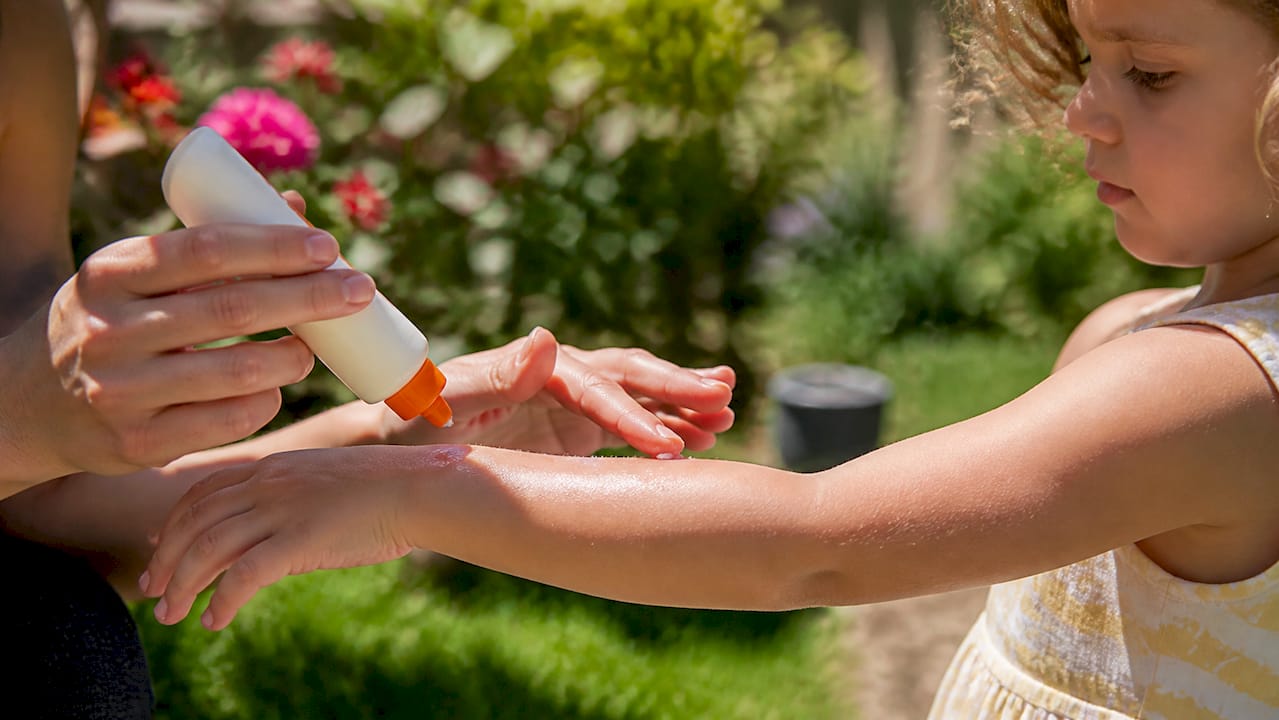
When it comes to topical products for irritated skin, what’s not in the formula matters as much as what is. Synthetic fragrances, alcohol-based preservatives, and harsh surfactants can turn a mild bite reaction into a full-blown contact dermatitis flare, especially on already-inflamed skin.
What to look for on any topical label you’re considering for bite relief:
- A clearly listed active ingredient with its percentage (e.g., “hydrocortisone 1%,” “pramoxine HCl 1%”)
- Inactive ingredients you can actually read and recognize
- Absence of synthetic fragrance, parabens, or known sensitizers like methylisothiazolinone
- For botanical products: specific plant-derived ingredients (aloe barbadensis leaf juice, colloidal oatmeal) rather than vague “natural extracts”
The medical guidance is clear: when a bite is mild and there are no signs of infection or severe reaction, a gentle, non-irritating topical is entirely appropriate. The priority is calming inflammation without adding new irritants to already-reactive skin. Learning to read clean beauty labels is a skill that pays off every time you reach for a topical product.
A gentle botanical option from The Holistic Science Co.
When your bite is mild, clean, and past the acute phase, a botanical topical can be a genuinely soothing next step — one that calms without loading irritated skin with synthetic additives.

The Holistic Science Co. formulates ingredient-transparent health and beauty products built around real botanicals and full-label clarity. For mild bite aftercare, that means:
- Soothing plant-derived ingredients with no synthetic fragrances or harsh preservatives
- Formulas you can actually read and understand before applying to reactive skin
- Products designed for people who want clean, effective care without the guesswork of mystery ingredient lists
Think of it as the thoughtful next step once the acute itch is managed and your skin needs gentle recovery support. Browse the full collection and find your fit at The Holistic Science Co.
Sources
These are the primary sources behind the guidance in this article. Each one is worth bookmarking for future reference.
- Mosquito bites - Diagnosis and treatment
- Bug Bites & Stings: Symptoms & Treatment (First Aid)
- About Mosquito Bites
- How to soothe a bug bite without scratching — VeryWell Health
For personalized advice, especially for children, pregnant individuals, or anyone with a history of severe allergic reactions, consult a board-certified dermatologist or your primary care clinician. This article provides general information and is not a substitute for professional medical advice.
Recommended
- Your Simplified Skin Care Routine: 5 Steps That Work - The Holistic Science Co.
- How Beard Skin Care Differs From Regular Facial Care - The Holistic Science Co.
- Top 4 Aluminum Free Deodorant Options 2026 - The Holistic Science Co.
- Build a Natural Skincare Routine for Healthy Skin - The Holistic Science Co.