

Build a Natural Skincare Routine for Healthy Skin

A natural skincare routine is a daily practice of cleansing, moisturizing, and protecting your skin using plant-based, eco-friendly ingredients with minimal synthetic additives. When you build a natural skincare routine thoughtfully, you get real results without the irritation that comes from overcomplicated regimens. Dermatologists like Dr. Eduardo Ortiz consistently recommend starting with foundational steps before adding any targeted treatments. Brands like Mountain Rose Herbs have long championed this approach, showing that simple, well-chosen botanicals outperform a shelf full of products you barely understand. This guide gives you a clear, step-by-step path to healthy, glowing skin in 2026.
What are the essential steps in a natural skincare routine?
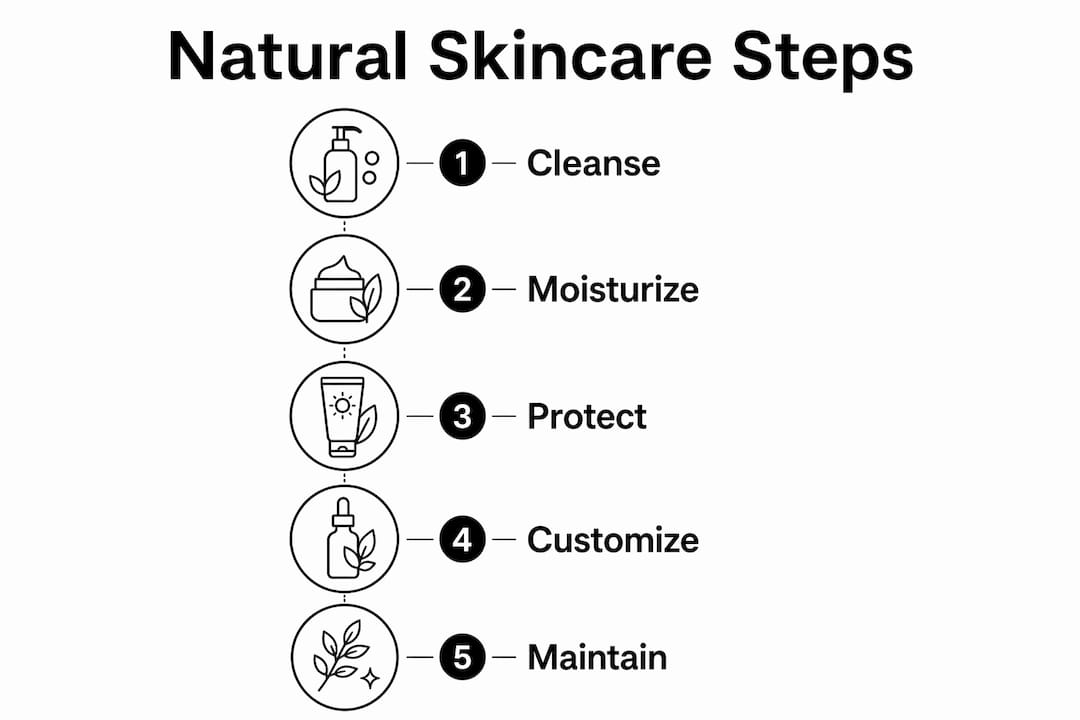
The three non-negotiable steps in any effective skincare regimen are gentle cleansing, moisturizing, and daily sun protection. These three steps form the backbone of every dermatologist-recommended routine, whether you use conventional or natural products. Everything else, serums, toners, masks, is secondary.
Step 1: Gentle cleansing
Cleansing removes dirt, excess oil, and environmental residue without stripping your skin’s natural barrier. Choose a cleanser with a short ingredient list and avoid sulfates like sodium lauryl sulfate, which can disrupt the skin’s pH. Natural options include micellar waters with rose water, gentle foaming cleansers with aloe vera, and cleansing oils made from jojoba or sunflower oil. Cleanse once in the morning and once at night. Over-cleansing is a real problem and causes more dryness and irritation than it prevents.
Step 2: Moisturizing for barrier support
Moisturizers work through three mechanisms: humectants draw water into the skin, emollients smooth and soften the surface, and occlusives seal moisture in. Modern natural moisturizers use ceramides, plant-based squalane, and shea butter to restore the skin barrier effectively. Look for products that combine all three functions rather than relying on a single ingredient. Timing matters here too.
Pro Tip: Apply moisturizer to slightly damp skin immediately after cleansing. This locks in hydration and reduces the risk of congestion or over-oiling.
Step 3: Daily broad-spectrum sunscreen
Sunscreen is the single most evidence-backed anti-aging product available. Broad-spectrum SPF 15-30 sunscreen should be applied about 15 minutes before sun exposure and reapplied every two hours outdoors. SPF 30 blocks roughly 97% of UVB rays. Mineral sunscreens with zinc oxide or titanium dioxide are the most popular natural options and work well for sensitive skin. Pair sunscreen with shade and protective clothing for the best protection.
To learn more about layering these products correctly, Theholisticscienceco has a dedicated guide that walks you through the exact order for maximum absorption.
How to customize your routine based on skin type?
No two people have the same skin, and a one-size-fits-all approach rarely works. Natural skincare routines benefit from ingredient variety while still respecting individual sensitivity and environmental conditions. Identifying your skin type is the first real step toward a routine that actually works.
Here is how to match your skin type to the right natural ingredients and formulations:
- Oily skin: Use lightweight, water-based moisturizers with niacinamide or green tea extract. Avoid heavy oils like coconut oil, which can clog pores. A gentle clay mask once a week helps manage excess sebum without over-drying.
- Dry skin: Reach for richer moisturizers containing shea butter, rosehip oil, or hyaluronic acid. Cream-based cleansers are gentler than foaming formulas. Layer a facial oil over your moisturizer at night for extra nourishment.
- Sensitive skin: Stick to fragrance-free, minimal-ingredient products. Oat extract, centella asiatica, and aloe vera are your best friends. Avoid essential oils in high concentrations, as they are a leading cause of contact reactions in natural skincare.
- Combination skin: Use a gentle gel cleanser and apply a lighter moisturizer to oily zones and a richer one to dry areas. Targeted application takes two extra minutes and makes a real difference.
When adding targeted treatments like vitamin C serums or retinol alternatives such as bakuchiol, introduce only one new product at a time. Give each product at least four weeks before judging its effect.
Pro Tip: Keep a simple skin journal for the first 60 days of your new regimen. Note how your skin feels each morning. Patterns become obvious quickly, and you will know exactly which product is working.
What natural ingredients and products should you consider?
The natural skincare market is full of options, but not every botanical ingredient suits every skin type. Knowing what each ingredient category does helps you build a personalized skincare regimen without wasting money on products that do not serve your skin.
| Ingredient type | Key examples | Primary skin benefit |
|---|---|---|
| Humectants | Hyaluronic acid, aloe vera, glycerin | Draw moisture into the skin |
| Emollients | Jojoba oil, rosehip oil, shea butter | Smooth texture and soften skin |
| Occlusives | Beeswax, plant-based squalane, cocoa butter | Seal moisture and protect barrier |
| Antioxidants | Vitamin C, green tea extract, niacinamide | Protect against environmental damage |
| Soothing botanicals | Centella asiatica, oat extract, calendula | Calm redness and reduce irritation |
A few additional points worth knowing before you shop:
- Cleansers: Micellar water and oil-based cleansers are the gentlest natural options for daily use.
- Toners: Witch hazel toners work well for oily skin, but choose alcohol-free versions to avoid dryness.
- Serums: Vitamin C serums brighten skin tone. Bakuchiol serums offer a gentler plant-based alternative to retinol.
- Masks: Kaolin clay masks suit oily skin. Honey and oat masks nourish dry and sensitive skin.
- Eco-friendly packaging: Glass jars, refillable containers, and recycled cardboard packaging reduce your environmental footprint without compromising product quality.
Sustainable packaging is not just a feel-good choice. Brands that invest in eco-friendly packaging tend to use cleaner formulations too, since their values align across the board.
How to safely introduce new natural products?
Natural does not automatically mean safe for your skin. Many botanical ingredients, including essential oils, preservatives, and plant extracts, are common allergens. Introducing new products carefully protects your skin and helps you identify what works.
Follow these steps when adding any new product to your routine:
- Patch test first. Apply a small amount of the product to the inside of your forearm or behind your ear. Leave it for 24 hours without washing.
- Wait and observe. Delayed allergic contact dermatitis can take up to two weeks to appear. Check the patch site daily for redness, itching, or swelling.
- Introduce one product at a time. Adding multiple new products simultaneously makes it impossible to identify the cause of a reaction.
- Monitor your full face. Even if the patch test is clear, watch for reactions when you apply the product to your face for the first time.
- Consult a dermatologist if needed. If you suspect a delayed reaction, a specialist can perform formal patch testing, which includes perfumes, preservatives, and botanical allergens common in natural products.
Patch testing for natural skincare allergies requires patience. Delayed contact allergic responses can take up to two weeks to emerge and need specialist diagnosis to identify the specific allergen. Do not skip this step if you have a history of sensitive or reactive skin.
Pro Tip: Keep a list of every new product you introduce, including the date and any reactions. This record is invaluable if you ever need to see a dermatologist about a skin reaction.
How to maintain your natural skincare routine long-term?
Consistency is the most underrated factor in skincare. Visible results from a consistent routine typically appear between 6 and 12 weeks of regular use. That timeline requires patience, but it also means you should not abandon a routine after two weeks just because you have not seen dramatic changes.
Long-term success comes down to a few practical habits:
- Stick to your core three steps every morning and evening, no matter what. Cleanse, moisturize, and apply sunscreen in the morning. Cleanse and moisturize at night.
- Adjust seasonally, not constantly. Switch to a richer moisturizer in winter and a lighter one in summer. That is the extent of seasonal adjustment most people need.
- Ignore extreme cycle syncing claims. Cycle syncing skincare is largely a marketing concept with limited dermatological backing. Gentle, minimal adjustments are far more reliable than overhauling your routine every two weeks.
- Protect your skin barrier above all else. Avoid over-exfoliating, harsh scrubs, and products with high concentrations of active ingredients until your skin is stable.
- Reassess every three months. Your skin changes with age, stress, and environment. A quick monthly check-in keeps your routine relevant without turning it into a full-time project.
The goal is a routine you actually do every day, not a perfect routine you abandon after a week.
Key Takeaways
A natural skincare routine built on cleansing, moisturizing, and daily SPF delivers visible results within 6–12 weeks when applied consistently and tailored to your skin type.
| Point | Details |
|---|---|
| Start with three core steps | Cleanse, moisturize, and apply SPF 30+ sunscreen every morning without exception. |
| Match ingredients to skin type | Oily skin needs lightweight humectants; dry skin needs richer emollients and occlusives. |
| Patch test every new product | Apply to your forearm and wait up to two weeks before using on your face. |
| Consistency beats complexity | Visible results take 6–12 weeks; a simple routine done daily outperforms a complex one done occasionally. |
| Avoid marketing-driven overhauls | Cycle syncing and frequent routine changes increase irritation with little proven benefit. |
What I have learned from years of watching skin routines succeed and fail
The most common mistake I see is adding too much too fast. Someone reads about vitamin C, bakuchiol, niacinamide and a clay mask all in the same week, buys everything, and uses it all at once. Two weeks later, their skin is red, tight, and breaking out. They blame natural skincare. The real culprit is impatience.
The routines that work are almost always the boring ones. Cleanser, moisturizer, sunscreen, done. That foundation, applied consistently, does more for your skin than any trending serum. Dr. Eduardo Ortiz puts it plainly: keep it simple, keep it tailored and master the basics before adding treatments.
What I find genuinely exciting about natural skincare in 2026 is how much formulation quality has improved. Brands are now combining ceramides, plant-based squalane, and antioxidants in ways that genuinely rival conventional dermatology products. You do not have to choose between eco-friendly values and effective skincare anymore.
Listen to your skin. If something stings, burns, or causes persistent redness, stop using it. That signal is more reliable than any ingredient trend. Your skin tells you everything you need to know if you pay attention.
— T
Natural skincare products worth trying from The Holistic Science Co.
You now have the framework. The next step is finding products that actually fit into it without compromising your values or your skin.

The Holistic Sceince Co. crafts artisanal, eco-friendly skincare products designed to nourish and soothe skin at every step of your routine. From gentle cleansers to rich botanical moisturizers, each product is formulated with real ingredients you can recognize and trust. Whether you have oily, dry, sensitive or combination skin, there is a product that fits your specific needs. Visit The Holistic Science Co. to find your match and start building a routine that feels as good as it performs.
FAQ
What are the three basic steps in a natural skincare routine?
The three core steps are gentle cleansing, moisturizing, and daily broad-spectrum sunscreen. These steps support the skin barrier, hydrate and protect against UV damage every day.
How long does it take to see results from a natural skincare routine?
Consistent use of foundational products typically delivers visible skin improvements within 6 to 12 weeks. Patience and daily consistency are the two factors that matter most.
What natural ingredients work best for sensitive skin?
Oat extract, centella asiatica, aloe vera, and fragrance-free ceramide moisturizers are the most reliable choices for sensitive skin. Avoid high concentrations of essential oils, which are a common cause of contact reactions.
Do I need to patch test natural skincare products?
Yes. Delayed allergic reactions to natural ingredients like botanical extracts and preservatives can take up to two weeks to appear. Patch testing on your forearm before full application protects your skin.
Is cycle syncing my skincare routine worth it?
Cycle syncing skincare has limited dermatological backing and is largely a marketing concept. Gentle seasonal adjustments, such as switching to a richer moisturizer in winter, are more reliable and less likely to cause irritation.
Recommended
- Your Simplified Skin Care Routine: 5 Steps That Work - The Holistic Science Co.
- Types of Natural Skincare Ingredients: Your Full Guide - The Holistic Science Co.
- How to Layer Skincare Products Correctly in 2026 - The Holistic Science Co.
- Why Men Need Separate Skincare for Better Skin Health - The Holistic Science Co.