
Intentional Manufacturing in Clean Beauty: What to Look For
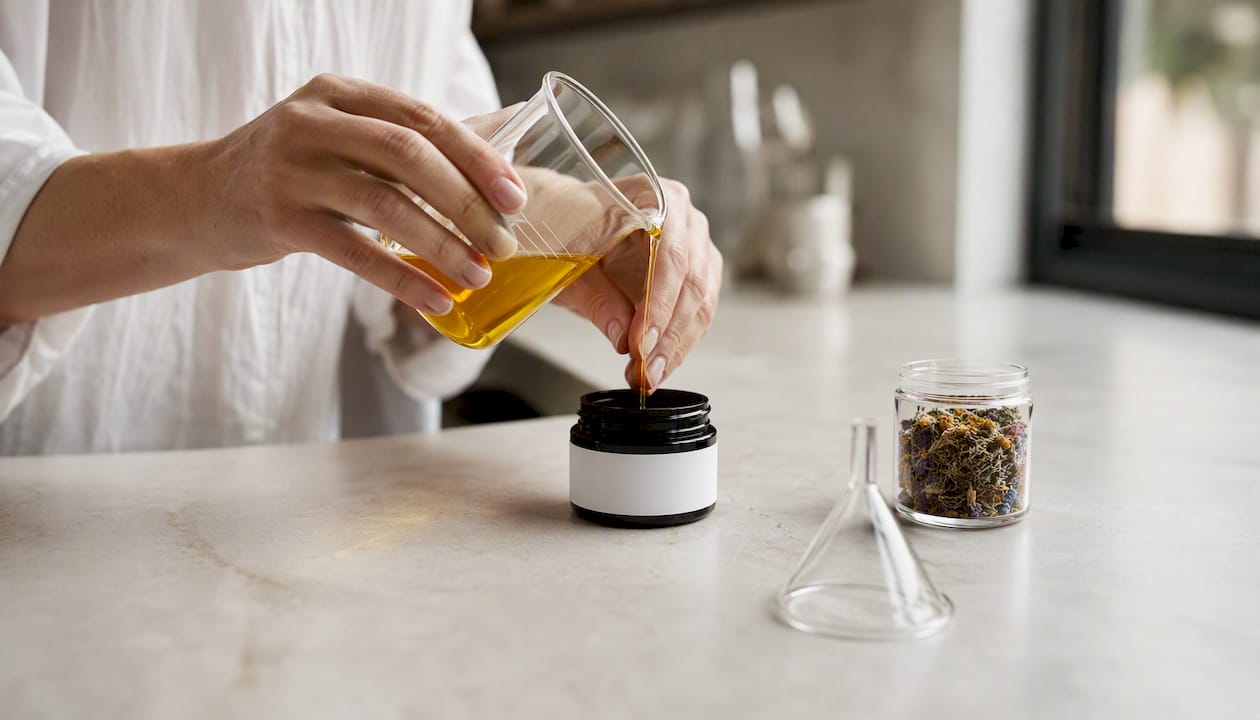
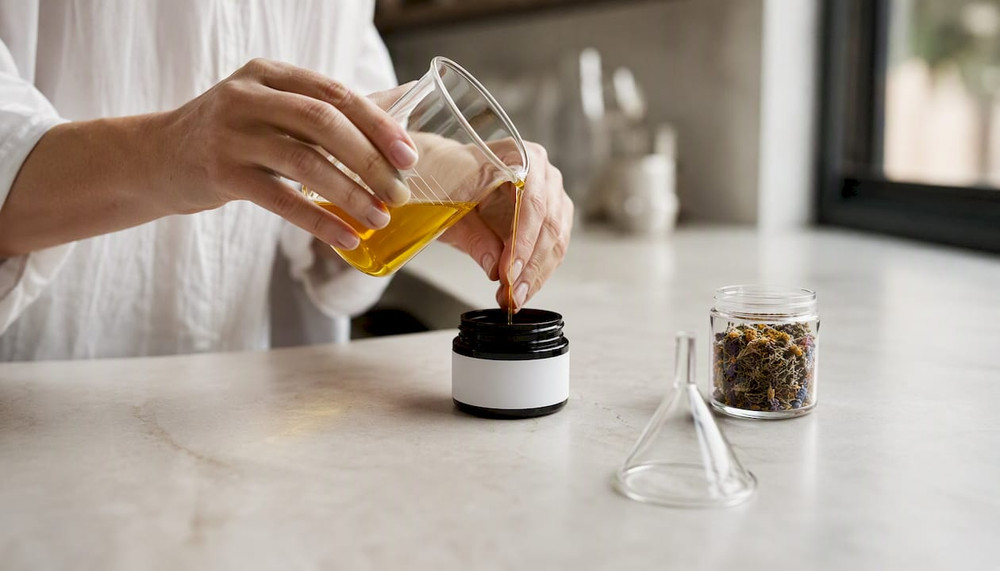
Intentional manufacturing, in the clean-beauty world, means small-batch, ingredient-transparent, and ethically focused production that protects both potency and provenance from the moment a botanical is harvested to the moment it reaches your skin. It is the practical opposite of mass-market formulation, where speed and cost routinely override ingredient quality. When a brand practices thoughtful production methods, you can see the evidence directly on the product page. Right now, check for three things before you buy:
- Full INCI ingredient list with declared function and origin (not just a name)
- Third-party testing documentation such as microbial or heavy-metal screening results
- Batch or lot number tied to a specific production run
If those three signals are present, you are looking at a brand that takes responsible manufacturing seriously. If they are missing, keep reading.
Key Takeaways
Intentional manufacturing is the most reliable filter for identifying clean-beauty products that deliver on ingredient transparency, ethical sourcing, and small-batch quality control.
| Point | Details |
|---|---|
| INCI + function + origin | Look for all three together on every product page, not just an ingredient name. |
| Third-party testing | NSF research found 74% of consumers prioritize organic ingredients; third-party certification is the best counter to greenwashing. |
| Batch numbers matter | Lot numbers tied to test summaries let you verify exactly what went into your product. |
| Small-batch has real limits | Expect higher prices ($18–$65 for artisanal skincare) and occasional seasonal availability gaps. |
| The Holistic Science Co. | Offers botanical, ingredient-transparent products across skincare, body care, and personal care with educational resources to help you shop smarter. |
Table of Contents
- What does intentional manufacturing look like on a real product page?
- Six core principles every intentional brand should meet
- How to read ingredient lists and brand claims
- What responsible sourcing and ethical supply chains look like
- Small-batch production: what it really delivers and what to ask
- Safety basics and U.S. regulatory context for clean-beauty shoppers
- A practical checklist for choosing intentionally manufactured products
- How to shop sustainably and reduce waste
- How Theholisticscienceco implements intentional manufacturing
- Why intentional manufacturing is the filter that actually matters
- Theholisticscienceco: ingredient-transparent botanical products made with care
- Sources
What does intentional manufacturing look like on a real product page?
Purpose-driven manufacturing translates into specific, visible behaviors. A brand that genuinely practices it does not just say “clean” or “natural.” It shows you the evidence. Forbes reporting confirms that consumer demand for clearer ingredient stories is rising, yet processed or problematic ingredients still appear widely on shelves, which means the gap between marketing language and real transparency is still very real.
Here is what intentional manufacturing looks like in practice:
- Small-batch production runs with a visible batch or lot number on the label or product page
- Full INCI disclosure paired with a plain-English function note (e.g., “Helianthus annuus (Sunflower) Seed Oil — emollient, skin-barrier support”)
- Origin or farm-level sourcing information (region, supplier, or harvest season)
- Third-party testing results for microbial safety, heavy metals, or stability
- Limited distribution through direct-to-consumer or vetted independent retailers
- Clear usage instructions that explain how much to use, how often, and with what
Each of these signals is something you can verify yourself, without a chemistry degree.
Six core principles every intentional brand should meet
Ethical production techniques are not a single checkbox. They form a framework you can use to evaluate any artisan brand at a glance.
-
Provenance and traceability. Knowing where a botanical came from matters for both potency and ethics. Small-batch extraction research shows that disciplined temperature, timing, and oxygen control during extraction preserve bioactivity, and strong brands document the botanical name, plant part, origin, and lot number on the product page.
-
Ingredient function and transparency. Listing an ingredient name is the floor, not the ceiling. Industry guidance recommends that brands explain function, suitable skin types, and usage frequency alongside each ingredient to prevent misuse and build genuine trust.
-
Low-waste design. Deliberate manufacturing strategies include packaging choices. Refillable containers, minimal secondary packaging, and concentrated formats all reduce waste without reducing efficacy.
-
Disciplined small-batch quality control. Small runs allow for closer oversight at every stage, but only when paired with documented QC practices like incoming ingredient inspection, lot coding, and microbial screening.
-
Ethical labor and fair pay. Responsible manufacturing extends to the people in the supply chain. Ask whether growers and processors are paid fairly and whether the brand maintains long-term supplier relationships.
-
Clear, functional claims. Vague terms like “detoxifying” or “age-defying” without a mechanism are marketing, not science. Credible brands state what an ingredient does and why.
Pro Tip: Lot numbers are the single most underrated trust signal in clean beauty. A brand that publishes lot numbers alongside test summaries is giving you a direct line to verify exactly what went into your product.
How to read ingredient lists and brand claims
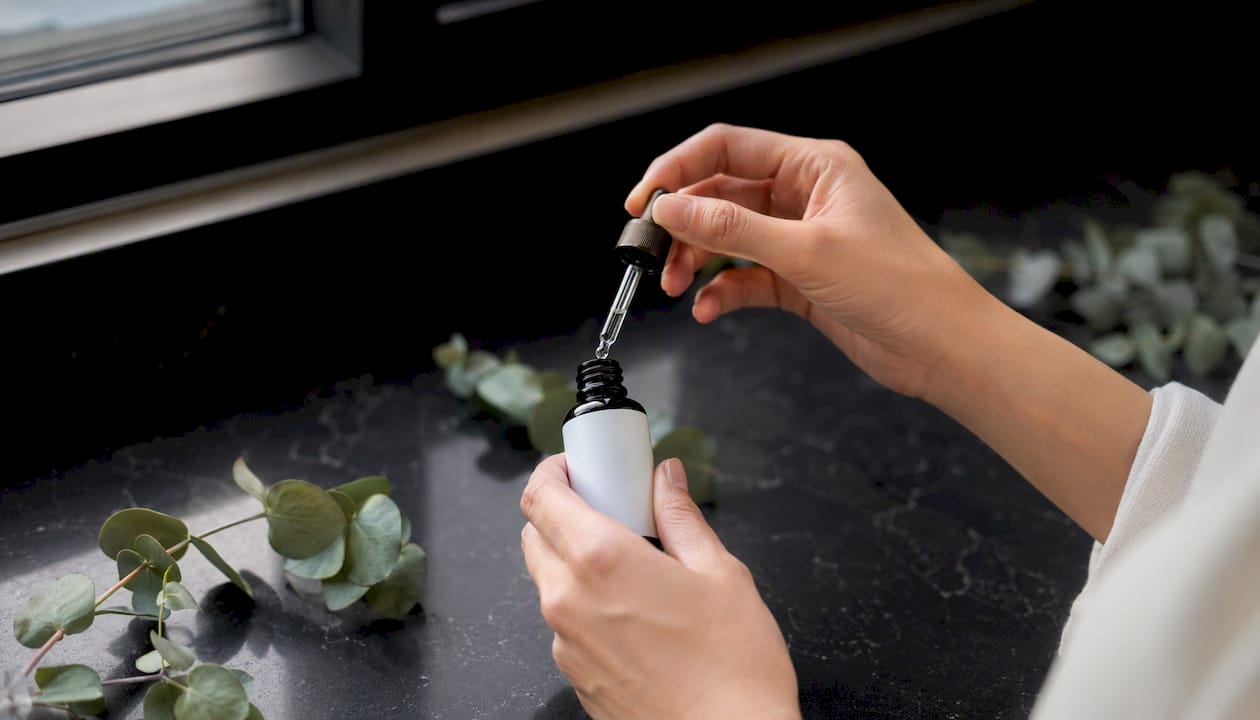
Start by looking for three things together: the INCI name, a declared function, and an origin note. When all three are present, you have real transparency. When only the INCI name appears, you have compliance, not communication.
| Credible label language | Vague or misleading language |
|---|---|
| “Rosa canina (Rosehip) Fruit Oil — antioxidant, origin: Chile” | “Natural oils blend” |
| “Batch #2024-07, tested for microbial safety” | “Proprietary formula” |
| “Certified organic by USDA NOP” | “Organic-inspired” |
| “Free from parabens, sulfates, synthetic fragrance” | “Clean ingredients” |
| “Harvest season: Fall 2024, supplier: [named farm]” | “Sustainably sourced” |
Red flags to watch for when reading labels:
- Missing INCI names (replaced by marketing names like “miracle complex”)
- “Proprietary blend” used to hide active ingredient percentages
- Vague origin phrases like “ethically sourced” with no supplier detail
- No batch number or testing reference anywhere on the page
- Claims like “clinically proven” with no linked study or testing body
Trust signals that confirm ingredient-transparent practices:
- Microbial and heavy-metal test results, even summarized
- Lot numbers that match a production date
- Harvest region or named grower
- Certifications from recognized bodies (USDA Organic, Leaping Bunny, COSMOS/ECOCERT) with verifiable certificate numbers
Theholisticscienceco’s clean-beauty label guide breaks down the most common marketing terms and what they actually mean, which is a useful companion resource when you are decoding a new brand’s claims.
What responsible sourcing and ethical supply chains look like
Sourcing is where the quality of a botanical product is largely determined, long before it reaches a mixing vessel. Potency, purity, and ethical integrity all trace back to how and where raw materials are grown and processed. Case-study reporting on artisan brands shows that the most credible small-batch makers use harvest-season sourcing, batch testing, and long-term grower partnerships to authenticate provenance.
When evaluating a brand’s sourcing practices, look for:
- Named farms or processors, not just a country of origin
- Evidence of long-term supplier relationships (mentioned in brand copy or FAQs)
- Supplier documentation available on request
- Certifications that cover the supply chain, not just the finished product
On certifications: Leaping Bunny covers cruelty-free claims through the supply chain, not just the finished product. USDA Organic certification covers agricultural ingredients. COSMOS/ECOCERT covers both organic content and manufacturing process standards. You can verify each of these directly on the certifying body’s website using the brand’s certificate number. Theholisticscienceco’s guide on cruelty-free brand verification walks through exactly how to check these claims.
Small-batch production: what it really delivers and what to ask
Small-batch production can genuinely increase product quality, but only when paired with disciplined QC. The smaller the run, the more control a maker has over each variable, and the easier it is to catch a problem before it reaches you. Practical manufacturer guidance notes that model choice, clear minimums, and explicit proofing processes all affect cost, timelines, and launch risk for small brands, which means these details matter for shoppers too.
QC practices worth expecting from a small-batch maker:
- Incoming ingredient inspection with supplier certificates of analysis
- Lot coding on every batch
- Microbial screening for water-containing formulas
- Stability checks (especially for products with active botanicals)
- Fill-weight records to confirm consistency
Realistic limitations to know:
- Higher per-unit cost than mass-market alternatives (typically $18–$65 for artisanal skincare in the U.S., depending on format and ingredients)
- Seasonal availability when a key botanical has a short harvest window
- Occasional reformulation when a supplier changes
Safety basics and U.S. regulatory context for clean-beauty shoppers
The FDA regulates cosmetics’ labeling and safety claims but does not pre-approve most cosmetics for safety before they reach shelves. That is not a loophole; it is the structure of U.S. cosmetics law under the Federal Food, Drug, and Cosmetic Act. The practical implication: safety responsibility sits primarily with the brand, which is exactly why third-party testing matters so much.
Key takeaways for U.S. shoppers:
- FDA enforces labeling rules (ingredient listing, net weight, manufacturer name) and can act on adulterated or misbranded products after the fact
- FDA does not require pre-market safety testing for most cosmetics
- Third-party testing fills that gap; NSF research found that 74% of consumers consider organic ingredients important in personal care, and NSF specifically recommends third-party certification to counter greenwashing
- When a product makes drug-like claims (“treats eczema,” “reduces acne”), it crosses into drug territory and requires FDA approval
This is general information, not medical or legal advice. Confirm current regulations at fda.gov or consult a qualified professional.
A practical checklist for choosing intentionally manufactured products
The fastest way to evaluate a brand is to run through a short checklist before you add anything to your cart.
- Full ingredient list in INCI format with function notes, not just names
- Batch or lot number visible on the product page or label
- Third-party test summaries for microbial safety, heavy metals, or stability
- Origin information at the ingredient or supplier level
- Packaging and refill options that reflect low-waste intent
- Clear usage and dosage guidance (how much, how often, with what)
- Price that reflects real production costs (artisanal products under $10 for a full-size serum are almost always a red flag)
Pro Tip: A brand that responds to sourcing questions with specific supplier names or testing references is showing you exactly the kind of transparency that intentional manufacturing requires. Vague or defensive answers tell you just as much.
How to shop sustainably and reduce waste
Low-waste shopping starts with buying less, more intentionally. Concentrated formats (facial oils, solid balms, anhydrous serums) use less packaging per application than water-heavy lotions and tend to last longer.
Practical tactics:
- Prioritize brands that offer refill programs or accept empty containers back
- Choose minimal or recyclable packaging over elaborate secondary boxes
- Buy direct from makers at farmers markets or brand websites to cut shipping waste
- Look for concentrated or multi-use formats (a body oil that doubles as a hair treatment, for example)
- Ask about local pickup options if the brand is regional
The price trade-off is real. Sustainably packaged, small-batch products cost more per unit than mass-market alternatives. Buying one well-made product you use completely beats buying three cheaper ones you abandon halfway through.
How Theholisticscienceco implements intentional manufacturing
The Holistic Science Co. is a working example of how these principles translate into an actual product line. The brand formulates botanical skincare, body oils, deodorants, lip balms, hydrating sticks, facial moisturizers, healing sprays, after-shave tonics, conditioners, and affirmation candles with ingredient transparency at the center, excluding common synthetic chemicals across the range.
The brand’s educational content directly supports the checklist above:
- The small-batch beauty guide explains batch numbering, production scale, and what shoppers should realistically expect from artisanal runs
- The plant-based botanical skincare guide shows how ingredient-transparent labeling works in practice for botanical actives
- The clean-beauty ingredient guide decodes label language so you can evaluate any brand’s claims, not just Theholisticscienceco’s
Pro Tip: Use the brand’s educational guides as a reference checklist when evaluating other brands. If a competitor’s product page cannot answer the questions Theholisticscienceco’s guides teach you to ask, that gap is itself a signal.
Why intentional manufacturing is the filter that actually matters
Most clean-beauty marketing is aspirational. “Natural,” “green,” “conscious,” and “pure” are adjectives that cost nothing to print on a label. What costs something is the actual work: sourcing from named growers, running small batches with documented QC, publishing INCI lists with function notes, and paying for third-party testing. That work is what separates a brand with genuine ethical production techniques from one with a well-designed label.
The shoppers who get the most from clean beauty are the ones who treat ingredient transparency as a non-negotiable filter rather than a nice-to-have. When you ask for batch numbers, test summaries, and supplier names, you are not being difficult. You are doing exactly what responsible manufacturing invites you to do.
The Holistic Science Co.: ingredient-transparent botanical products made with care
If you have been searching for products that actually meet the intentional manufacturing checklist above, The Holistic Science Co. is built for exactly that. Every product in the range is formulated with botanical ingredients, full ingredient transparency, and a commitment to excluding common synthetic chemicals, so you get the nourishing, skin-loving results you are looking for without the guesswork of decoding vague marketing claims.
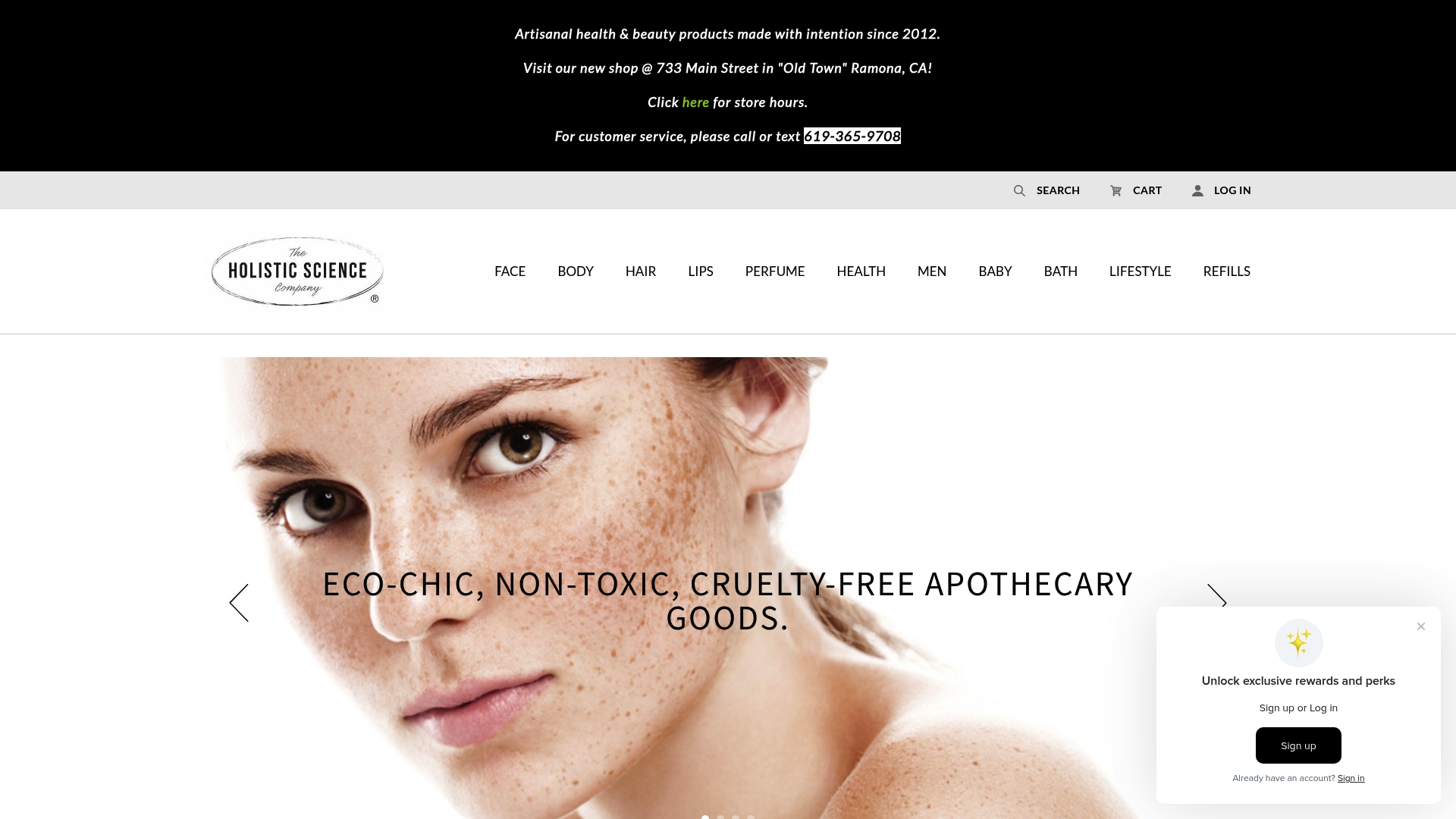
The product range covers everything from botanical facial moisturizers and healing sprays to body oils, deodorants, lip balms, after-shave tonics, and affirmation candles. Whether you are building a complete natural skincare routine or replacing one synthetic product at a time, there is something here that fits. Browse the full collection and read the ingredient stories behind each product at The Holistic Science Co.
Sources
The claims and recommendations in this article draw from the following sources. Each is worth bookmarking if you want to go deeper on any topic covered above.
Industry research and regulatory guidance:
- 74% of Consumers Consider Organic Ingredients Important in… | NSF
- Beyond the label — consumers want the truth about product ingredients | Forbes
- Small-Batch Extraction for Craft Beauty
- Small-Batch Skincare Manufacturers for Indie Brands
- Inside the world of small-batch, artisan skincare brands
- Why ingredient transparency matters more than ever in cosmeceuticals - Express Pharma
Small-batch and artisanal manufacturing:
Theholisticscienceco educational resources:
This article is general information, not a substitute for advice from a qualified doctor. Consult a qualified healthcare professional about your own circumstances before acting on anything here.
Recommended
- What Is Clean Beauty? Your 2026 Ingredient Guide - The Holistic Science Co.
- Clean Beauty Label Terms: What They Really Mean - The Holistic Science Co.
- Small Batch Beauty Products Explained: What You Need to Know - The Holistic Science Co.
- Plant-Based Botanical Skincare: Pick Ingredient-Transparent Products - The Holistic Science Co.